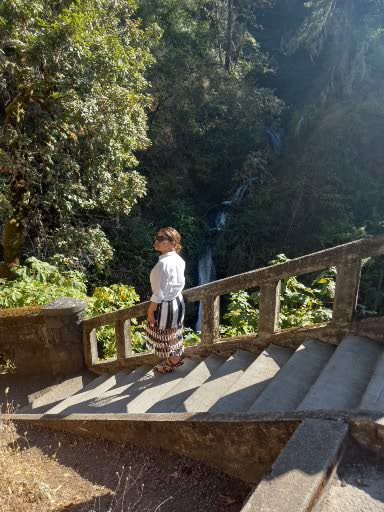
Farida can be seen in the above photo as she walks down the steps to a waterfall while on a guided tour of the Columbia River waterfalls. This is a highly ranked guided tour less than one hour from Portland Oregon.
Guided tours offer travelers the chance to dive deep into destinations, making trips more rewarding and hassle-free. With the travel landscape evolving for 2025-2026, there’s more emphasis on experiential travel that combines comfort with authentic exploration. Guided tours are great for family vacations. Before I got married, my travel was ALWAYS solo backpacking excursions but married life changed all that (for the most part.) Therefore, high ranking guided tours are an important aspect of my travel planning.
Travelers are increasingly shifting towards curated experiences that offer insights beyond what’s found on the surface. Guided tours fulfill this need by bringing in local knowledge, insider tips, and access to exclusive spots that solo travelers might miss. Such curated experiences are tailored to your specific interests.
In the coming years, several key trends are shaping the guided tour industry. First, sustainability and eco-friendly travel options are becoming a staple. Tours that offer eco-conscious itineraries attract a growing demographic of travelers keen on reducing their carbon footprint.
Digital advancements are also reshaping the experience. With more digital integration, from virtual tour previews to seamless booking systems, travelers have access to greater flexibility and custom options, enhancing the ease of planning a trip. Ellipsis Travel Planner app and ChatGPT are two AI platforms that I am still exploring for travel planning.
Finally, the demand for personalized travel experiences is driving tour companies to provide tailor-made tours that match the interests and needs of varied traveler profiles. These personalized tours often include unique specialty trips focused on art, cuisine, wildlife, and adventure. You can explore from the sky, the sea, on land, or underneath.
Overall, the future of guided tours looks promising. As more people seek meaningful ways to explore the world with guidance, safety, and insider knowledge, guided tours stand out as the ideal choice. Embracing these trends ensures that travelers experience the world in vibrant, new ways.
World’s Favorite Guided Tour Companies
Choosing the right tour company can elevate your travel experience from good to unforgettable, especially with the wide range of options available in 2025-2026. These companies have repeatedly proved their worth through exceptional service, innovative itineraries, and deep local knowledge.
Companies like Intrepid Travel and G Adventures are long-loved by travelers who seek adventurous and small group experiences that feel personal. Their trips often blend local culture, adventure, and relaxation, creating a balanced itinerary that leaves no stone unturned:
Intrepid Travel (Intrepid Tours) claims; Small Group Trips that are dedicated to responsible travel worldwide in more that 100 countries.
G Adventures claims to be a leader in small group travel in business for 30 years. They provide well-planned itineraries that include lots of free time for optional activities.
For those looking to indulge a bit more, Tauck and Trafalgar offer luxurious boutique and mid-range tours. These companies blend comfort with meticulous planning, taking travelers through iconic destinations with refined style:
Tauck claims; land tours that connect people to sightseeing adventures “…filled with in-depth cultural exploration n North and South America, Europe, Asia, Africa, Australia, and New Zealand.” They also have their ROAM program for adults only that offers groups of around 16 travelers.
Trafalgar claims; to be “The most awarded and loved travel company” with 302 different trips at 7 continents including iconic destinations like Macchu Picchu to Maasai villages in Kenya.
Travelers on a budget might appreciate companies like Contiki and Topdeck, which cater to young adults seeking dynamic experiences without maxing out their credit cards. Their itineraries often include social events, bringing a sense of camaraderie and fun to the tour.
Contiki claims; providing complete travel experiences for travelers who are 18-35 years old. They partner with the Make Travel Matter program so their trips must advance at least one of the 11 goals set by the United Nations and must be educational to travelers.
Topdeck claims; offering “more small-group discovery” with groups that are capped at 18 travelers. Each trip includes extra time at each destination so the travelers will get plenty of free time for their own explorations besides the experiences offered that are “made to excite” the travelers.
It’s paramount to align the tour company’s offerings with your travel style and personal priorities. Whether you’re an intrepid solo traveler or someone looking for a luxurious escape, these industry leaders craft experiences that cater to diverse needs while maintaining a commitment to excellence.
Regional Treasures: Best Guided Tours by Continent
Guided tours vary widely across continents, each offering its own unique flair. Europe stands out with its blend of historical wonders and vibrant cultures. Companies like Rick Steves’ Europe specialize in small group tours focusing on in-depth exploration of iconic European locales, from the art capitals of Italy to the quaint villages of the British countryside. Rick Steves offers many physical guide books which I love and YouTube videos which are also very entertaining. Check them out!
Africa’s tours often reflect a deep connection to the land, with operators like Wilderness Safaris providing eco-friendly adventures. These tours bring travelers close to the continent’s stunning natural beauty and diverse wildlife, all while emphasizing conservation and cultural respect. This award winning eco-tourism company has many options for the tourist. they have lodges in Botswana, Namibia, Rwanda, South Africa, Seychelles, Zambia, and Zimbabwe.
In the Americas, companies like Wilderness Travel offer exceptional guided tours across both North and South America. From hiking in Patagonia’s awe-inspiring landscapes to exploring the rich history of Mexico, these tours provide comprehensive experiences tailored to various interests. Wilderness Travel has been in business since 1978. They have won “Best Tour Operator” awards 12 times. They have awards from Forbes, AARP, Travel + Leisure, and others.
Asian destinations demand a careful balance of ancient tradition and modern marvels. Tour operators such as Abercrombie & Kent offer luxurious guided experiences through countries like Japan, China, and India, ensuring travelers can explore intricate histories and vibrant local economies. They have been operating as a tour company for more than 60 years. They started with African safaris. Now they claim to be “the world’s leading travel company, taking guests to the earths’ wildest frontiers on seven continents.”
Selecting a guided tour based on the region can also offer a thematic journey, whether it’s tracing the steps of ancient civilizations or discovering natural wonders. It’s an opportunity to connect deeply with the heart of a place under the guidance of experts who know the terrain well.
Adventure Awaits: Top Adventure & Hiking Tours for 2025-2026
Adventure and hiking tours provide a combination of excitement, challenge, and natural beauty, and 2025-2026 promises a remarkable lineup of such tours across the globe. The appeal lies in not just visiting destinations, but experiencing them in their rawest form. And more and more of these tours are eco-friendly.
In Europe, the famous Tour du Mont Blanc offers a breathtaking circuit in the Alps, presenting hikers with a blend of majestic mountain vistas and alpine charm. Expert guides lead small groups over this iconic trail, ensuring safety and a deep dive into local culture.This is a hut to hut trek through the alps of France, Switzerland, and Italy. Mont Blanc is Europes highest mountain and the tour is 170 kilometers (about 106 miles).
Africa doesn’t hold back with adventurous travel. The Kilimanjaro climb, facilitated by experienced operators, offers a challenge not only to one’s physical endurance but also provides a reward of panoramic views from Africa’s tallest peak. These guided treks emphasize proper acclimatization and safe climbing protocols. This mountain in Tanzania is the tallest free standing mountain in the world. The only age requirement to climb Kilimanjaro is to be at least 10 years old. Climbing Kilimanjaro is a top rated tour guide company that provides pre-climb preparation and state of the art protocols. There are several routes and packages to choose from but I will say now that 7 days should be your minimum amount of time on the mountain.
The Americas provide plenty of variety for adventure seekers. In South America, the Inca Trail continues to be a sought-after path that merges cultural history with stunning landscapes. Meanwhile, in the U.S, national parks offer guided treks that suit varying levels of hikers. The focus is often on sustainable travel practices, ensuring the protection of these natural wonders. Camino Inka terminates at
Macchu Picchu. 500 climbing permits are issued per day by the government that monitors the three branches of the trail. Permits must be purchased through a government tour operator that will accompany the travelers up the trail.
Asia’s adventure trails are diverse and enchanting. The Himalayan regions offer guided hikes through the Annapurna Circuit and Everest Base Camp, where the journey is as rewarding as the destination. These tours emphasize connecting with local communities and understanding the rich tapestry of mountain life. Travel China Guide is and excellent company to book with. Although they are one of the largest tour companies in China, they tout “elaborately designed private guided tours” and “China small group tours” for both 2026 and 2027. They have many tours with only 12 people included and with no shopping stops which most tour companies do include in Asian tours. They also have tours to Japan, Cambodia, India, Indonesia, Mongolia, Thailand, Malaysia, and Vietnam.
Adventure tours aren’t just about pushing physical boundaries; they offer transformational experiences, fostering a connection with nature and one’s self. Choosing the right adventure tour depends on personal goals and comfort levels, but the outcome is consistently fulfilling and exhilarating.
Cultural Deep Dives: The Heartbeat of a Destination
Cultural tours offer travelers the chance to truly connect with a place through its people, traditions, and stories. These tours go beyond landmarks, providing an immersive experience that brings the heartbeat of a destination to life.
In Europe, cultural tours often revolve around art and history. Guided explorations of cities like Paris and Rome offer deeper insights into world-class museums and ancient ruins. Visitors can enjoy exclusive access to historical sites, all while hearing tales from knowledgeable local guides.
Africa’s rich cultural landscape is best experienced through guided village tours and traditional festivals. Local operators often include visits to tribal communities, allowing travelers to understand long-standing traditions and contemporary challenges.
When it comes to the Americas, cultural tours might include everything from experiencing the vibrant street art of Buenos Aires to discovering the ancient civilizations of Mexico. An emphasis on storytelling and interaction allows for a deeper understanding of the diverse cultures within these continents.
Asia boasts a wide array of cultural experiences, from the spiritual traditions in the temples of Thailand to the intricate ceremonies in Japan. Guided tours in this region often focus on understanding the balance between historical preservation and modern progress.
These cultural tours often involve learning through doing, be it cooking traditional dishes, participating in local festivals, or crafting traditional art. Such immersive tours, guided by locals who are passionate about their heritage, create meaningful, lasting travel memories. I will always remember our tour guide when we were horseback riding on Volcán Pichincha. I noticed a plant that I had never seen before and there were thousands of them. I asked the guide about them and he was so happy to tell me many examples of how the plant was used as a medicine.
Nature at Its Best: High-Impact Wildlife Safaris
Wildlife safaris are more than just an opportunity to observe animals in their natural habitat; they are a chance to contribute towards conservation and ecological preservation. Expertly guided safaris bridge the gap between humans and the wild, offering meaningful encounters that educate and enrich.
In Africa, safaris in countries like Kenya and Tanzania provide unforgettable experiences in premier destinations such as the Serengeti and Masai Mara. Expert guides, often with years of experience and deep local knowledge, enhance the safari by sharing insights on ecosystem dynamics and animal behavior.
Southern Africa is also home to specialized conservation-led safaris, particularly in Botswana and South Africa. These tours not only focus on wildlife observation but also on eco-friendly practices that ensure a minimal impact on the environment. Participation in these safaris directly supports conservation efforts.
Asia offers its own unique wildlife experiences, such as tiger tracking in India or visiting orangutan sanctuaries in Borneo. Guided wildlife tours in these regions emphasize the importance of habitat preservation and involve genuine efforts by local communities towards ecological sustainability.
In South America, regions like the Amazon provide guided tours that deep dive into the biodiversity of the rainforest. Expert guides effectively communicate the intricacies of this vast ecosystem, highlighting the importance of conservation efforts to preserve such a unique environment.
Wildlife safaris demonstrate the importance of conserving natural habitats and respecting the delicate balance within them. By choosing guided tours emphasizing conservation, travelers can play a part in preserving these precious ecosystems for future generations.
Family Adventures: Memorable Experiences for All Ages
Family-friendly guided tours are a fantastic way to ensure that everyone, from the youngest to the oldest, enjoys the trip together. These tours are designed to engage all ages with experiences that are both fun and educational, making them ideal for multigenerational travel.
Europe offers numerous family-oriented tours that combine historical exploration with interactive activities. Sites like castles and museums come alive with guides who tailor their narratives to captivate younger audiences while still engaging adults. Countries like France and Italy are particularly known for such family-friendly itineraries.
In Paris there is a great tour for families called the “Free Paris Mysteries and Legends Tour.” and in Rome, there are several great food tours for families. A really fun food tour for families is the “Taste of Testaccio Rome Street Food Tour.”
In North America, tour companies provide exciting experiences such as guided trips through national parks and themed adventures that cater to families. With outdoor activities like hiking and wildlife spotting, everyone gets the chance to explore nature and learn together. We brought our boys on many forest ranger guided tours when our sons were young. These tours are very engaging for the children, including teens.
Asia’s family tours often include cultural experiences that resonate with all ages. Engaging children with stories of ancient traditions in countries like Japan or India helps connect them with the local cultures. These tours also focus on safety, ensuring that families can travel with peace of mind.
In Tokyo, there is an excellent tour for families at the Imperial Palace of the emperor. It is a Free Walking Tour of the East Gardens. In New Delhi, there is the Day Temple Tour by car which is perfect for families. It has a five star rating and is a very comfortable way to visit a couple of temples with a lunch stop.
Africa presents safari adventures that are crafted for families, emphasizing safe encounters with wildlife. Programs include activities specifically designed for children, such as junior ranger programs, providing an educational and unique perspective on conservation efforts. There is a huge amount of African family safaris. If you google “African Family Safaris & Tours“, you will find several pages listing many safari tours with the prices shown up front.
Ultimately, choosing a family-friendly guided tour means opting for expertly crafted experiences that prioritize safety, convenience, and lasting memories. The key to a successful family trip is selecting a tour that accommodates different interests while keeping the essence of travel exploration intact.
Choosing Your Ideal Guided Tour
Picking the right guided tour can make all the difference in your travel experience, and a few key factors help in making this choice. Understanding these can ensure that your adventure matches your expectations and priorities.
Start by considering your budget, as this will significantly influence the range of tours available. Mid-range tours often offer a good balance between cost and quality, whilst luxury options provide additional comfort and exclusivity.
The style of travel the tour offers is another important consideration. Whether you’re seeking adventure, culture, or relaxation, make sure the itinerary aligns with your interests. It’s often beneficial to read reviews or seek testimonials from past travelers.
Safety is paramount, especially when traveling as a family or when visiting remote or more adventurous destinations. Check the tour company’s safety record and ensure they have knowledgeable guides trained in first aid and emergency procedures.
Additionally, consider the size of the group. Smaller groups often mean a more personalized experience, while larger groups can offer more social opportunities.
Don’t forget the importance of the guides themselves. They can make or break a tour. Knowledgeable guides with a passion for the subject can bring a destination to life and offer insights that aren’t available through a guidebook.
By evaluating these elements—budget, style, safety, group size, and the quality of the guides—you can choose a guided tour that meets your needs and provides a fulfilling and unforgettable travel experience.
Conclusion: Creating Unforgettable Travel Memories
Embarking on a guided tour opens up a world of possibilities for crafting memorable travel experiences. Each tour, whether focused on adventure, wildlife, or culture, offers unique insights and connections that last a lifetime.
The variety in tour options ensures there’s something suited to every traveler’s style and preferences, making it easier to find the ideal match for your family’s vacation dreams. Whether traveling solo, as a couple, or with a multigenerational group, guided tours offer the expertise and ease of navigation that turn trips into cherished stories.
Taking a thoughtful approach to selecting the right tour can elevate the entire travel experience, offering deeper connections to the places visited. With expert guides, carefully curated itineraries, and a focus on meaningful experiences, guided tours present a path to travel that is as enriching as it is convenient.
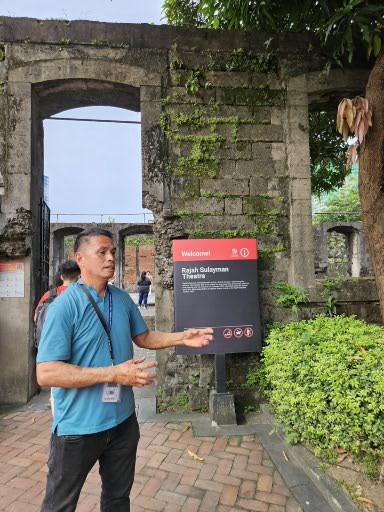
Here is a photo of our tour guide in the Intramuros old town neighborhood of Manila Philippines. It was a small tour group of only 8 persons. The tour guide was very knowledgable as he was a retired Tourism Official of Manila.
Here is a FAQ section for this article about the most trusted and renowned guided tour companies in the world:
General questions about top tour companies
Q1. What makes a guided tour company “trusted” or “renowned”?
A trusted tour company typically has long-standing operation, strong customer reviews, clear safety standards, professional guides, and transparent pricing and policies. A renowned operator is also frequently recognized in respected travel publications or awards lists and often holds memberships with major industry associations.
Q2. Are big global tour brands always safer than small local operators?
Large global brands often have more robust safety protocols, financial protection, and customer support, which can be reassuring for complex or long-haul trips. However, smaller local operators can provide highly specialized, authentic experiences, so the key is to check their licensing, reviews, and professional affiliations rather than relying on size alone. I have booked many small group tours with local guides and I have never gone wrong yet. Sure, the best of the best are renowned for good reasons but small, local tour guides can be intimate, safe, and informative.
Q3. What types of guided tour companies exist (group, private, adventure, luxury)?
Guided tour companies commonly specialize in categories like small-group cultural tours, private custom itineraries, adventure/trekking, luxury journeys, and theme-based trips such as food, cycling, or wildlife. Many well-known brands operate across several of these segments but still maintain clear positioning around group size, comfort level, and activity intensity.
Verifying trustworthiness and legitimacy
Q4. How can I verify that a tour operator is legitimate?
Start by checking for business details (registered address, phone, company information), professional memberships, and whether they accept secure payment methods such as major credit cards. Then confirm independent reviews on platforms like Google, Trustpilot, and specialized travel forums, and look for a consistent history rather than only a few recent ratings.
Q5. Which industry associations or accreditations should I look for?
Reputable international tour operators often highlight memberships in bodies such as the United States Tour Operators Association (USTOA), Adventure Travel Trade Association (ATTA), or, in Europe and the UK, protection schemes like ABTA or ATOL for packaged travel. These organizations typically require financial responsibility, ethical practices, and consumer protection standards, making membership a useful trust signal.
Q6. How important are online reviews when choosing a tour company?
Online reviews are a key source of real-world feedback, especially when spread across multiple platforms and recent enough to reflect current service standards. Pay attention to patterns in comments about safety, organization, guide quality, and problem resolution rather than focusing only on a few extreme ratings.
Q7. What red flags indicate that a tour operator may not be trustworthy?
Common warning signs include no physical address or unclear contact details, refusal to accept credit cards, pressure to pay in full far in advance, or very vague itineraries with little detail. Also be cautious if reviews mention frequent last-minute cancellations, hidden fees, poor communication, or unresolved complaints with consumer bodies.
Q8. How can I check a tour company’s complaint history?
Search for the company name plus terms like “reviews,” “complaints,” or “scam,” and consult consumer sites or business watchdog services where available in your country. In some regions, organizations similar to the Better Business Bureau list complaint patterns and ratings that can reveal recurring issues.
Q9. Should I be wary of very cheap tour prices?
Unusually low prices compared with similar itineraries can signal corners cut on safety, accommodation, inclusions, or staff pay, or may indicate aggressive upselling and hidden fees later. Comparing what is and isn’t included across several reputable operators helps distinguish genuine value from risky underpricing.
Practical due‑diligence steps for vacation planners
Q10. What specific questions should I ask a tour company before booking?
Ask about guide qualifications, group size, safety protocols, insurance requirements, inclusions/exclusions, and what happens if the minimum group size is not met. Clarify cancellation and refund rules, emergency support, and how the company handles significant itinerary changes or disruptions.
Q11. How can I confirm the details of my itinerary and bookings?
Request a written day-by-day itinerary, including accommodation names, transportation details, key timings, and included activities, then verify spot checks directly with hotels or airlines if needed. A reputable operator will share this information clearly and in advance, rather than only shortly before departure.
Q12. Is it safe to pay a tour operator in full months before the trip?
Paying a deposit is common, but paying everything far in advance can increase risk, so check the operator’s policies, financial protections, and whether payments are protected by credit card or trust accounts. Many reliable companies use phased payments, with the balance due closer to departure rather than demanding full payment upfront for distant dates.
Q13. Why is paying by credit card recommended?
Credit cards often provide dispute mechanisms and chargeback rights if the company fails to deliver the services, which can be crucial if a tour is cancelled or the operator becomes insolvent. Avoid operators that insist on bank transfers or cash only, as this typically leaves you with little recourse in case of problems.
Safety, ethics, and trip quality
Q14. How do top tour companies manage traveler safety?
Well-established operators implement formal risk assessments, use licensed local partners, train guides in first aid, and have clear emergency and communication plans. They will also provide guidance on fitness requirements, insurance, and any country-specific safety considerations before you travel.
Q15. How can I assess whether a tour company is ethical and sustainable?
Look for transparent policies on fair wages for local staff, environmental impact, wildlife welfare, and community engagement, often outlined in a responsible tourism or sustainability section on their site. Independent certifications or partnerships with recognized conservation or community organizations are strong indicators that their commitment goes beyond marketing.
Q16. What signs suggest that a tour will deliver high-quality experiences, not just logistics?
High-quality operators design detailed, well-paced itineraries, use knowledgeable local guides, and build in meaningful cultural interactions rather than only photo stops. Consistent praise in reviews for guide enthusiasm, organization, and depth of content is usually a reliable predictor of the experience you will receive.
Booking, protection, and problem resolution
Q17. What kind of travel insurance should I consider for guided tours?
Comprehensive travel insurance that covers medical emergencies, evacuation, trip cancellation or interruption, and supplier default is generally recommended for guided tours, especially adventure or remote trips. Many leading tour operators either require certain coverage levels or strongly encourage them and may suggest specialized insurers familiar with group travel.
Q18. What should I do if something goes wrong with my tour?
First raise the issue promptly with your guide or the company’s local representative so they have a chance to resolve it during the trip. Afterward, document your concerns, follow the operator’s formal complaints process, and, if necessary, escalate through consumer protection bodies or credit card dispute channels.
Q19. How far in advance should I book with top tour companies?
Popular departures, especially small-group or peak-season itineraries, can sell out many months in advance, so booking early increases your choice of dates and room types. However, last-minute spaces do appear, so flexible travelers sometimes find discounted spots, preferably with operators whose quality and protections have already been verified.
Q20. Can a travel advisor or agent help vet guided tour companies for me?
Experienced travel advisors often maintain curated lists of trusted operators and can leverage their relationships to secure better support or troubleshooting if issues arise. Using an agent does not replace your own research, but it adds an extra layer of screening and advocacy, especially for complex, high-value trips.
I hope these answers to some very common concerns will be of some help to the readers of my humble article here. MAC.
Great post! I really like how you highlight the shift toward sustainable, tailored, and digitally-enhanced guided tours — it feels like a natural evolution from backpacking or cookie-cutter vacations to something more personal and meaningful. Your breakdown of different tour styles (adventure, culture, family, wildlife, luxury) gives a nice overview of what kind of trip fits whom. I’m curious: which region or type of guided tour are you personally most excited about for 2025–2026 — adventure hiking, cultural deep-dives, or maybe eco-safari?
Hello Hanna, my wife and I are discussing the possibilities for next year. We will probably be doing a food tour in NYC for the spring which I am really looking forward to and in September we are leaning towards a return to Paris for the Mont Blanc a city tour there also (maybe another food tour) but the highlight of our Paris trip would be a weekend excursion to the Chamonix Valley and a good hike on the Mont Blanc Circuit. We just have to research how many days there. Maybe 5 days in Paris and 4 days in the Mont Blanc region? There is a beautiful place to stay there called Chalet 1802 that I would love to stay in. This is what I would most love to do next year.. THANK YOU again for the great comment. MAC.