

Working remotely as a digital nomad comes with a sense of freedom, but figuring out how to navigate visa requirements can feel confusing if you’re planning to travel internationally. I’ve faced this challenge myself and know how important it is to prepare with the right information for a hasslefree adventure. Normally, my visa requirements are straight forward tourist visas but getting married in Sumatra complicated things for us. The visa I got for my wife was an “Ikut Swami” visa which was Farida following me, her husband, to USA. Visas are usually very easy to obtain for the usual tourist but some complications will arise due to marriage, business, study, or countries that just make things difficult for us. So here, I’ll walk you through the basics and finer points of visa requirements for digital nomads. My goal is to help you get a sense of what to expect, how to track down the right visa, and what to watch for so you can focus on your work and new adventures.
Understanding Visa Options for Digital Nomads
Countries around the world offer different visas for remote workers, and these options are evolving quickly. Some countries have introduced official digital nomad visas to attract freelancers and remote employees, but others still expect travelers to use tourist visas or basic business visas for shortterm stays. The type of visa needed depends on where you’re from, where you hope to work, and how long you plan to stay.
European countries such as Portugal and Estonia provide digital nomad visas that let you stay for up to a year or sometimes longer. For example, Estonia’s Digital Nomad Visa allows nonEU nationals to live and work there legally for as much as twelve months. Meanwhile, places like Thailand and Bali have launched their own remote work permits, although the requirements can change with little warning or sometimes be quite strict.
Careful research and planning make it easy to decide where it’s possible to set up your remote office without risking problems with immigration. You can check government immigration websites for updates, as rules and special programs are updated a lot these days. This can be a real gamechanger in avoiding hassle.
How Countries Differ: Rules and Requirements
Visa rules and eligibility are never the same from one country to another. Some countries are really welcoming to digital nomads and smooth the way for the application process, while others are a bit tougher. I’ve found that visa requirements usually depend on:
- Passport country: Your nationality affects how long you can stay in a destination and which visas you are allowed to apply for.
- Purpose of visit: Countries often ask if you’re there for tourism, work, or business.
- Length of stay: The duration of your planned stay frequently decides whether you need a tourist visa, a business visa, or a digital nomad visa.
For example, as someone with a U.S. passport, I usually get more flexibility in Western Europe, but less so in Southeast Asia unless I put in for special permits. Latin American countries like Mexico and Costa Rica are often more relaxed, offering sixmonth stays or digital nomad residency that’s simple to apply for online. Traveling to places such as Australia or Japan often means stricter background checks, health insurance proof, or proof of income too.
Always read through country-specific visa guidelines before booking flights or locking in a longterm place to live. Doing visa runs (leaving and reentering on a tourist visa) can seem handy but are generally risky and often discouraged by border officials, so it’s best to think twice. There are a few places where it is fairly easy to do so. I have done this and have seen others doing this between Penang Malaysia and Hat Yai Thailand. Maybe it is a cultural thing there but it is had been common practice at the time I was spending three months every trip for three years in a roll. That was about eight years ago so I can not promise to anybody that it remains so, not with the way so many governments have become more restrictive.
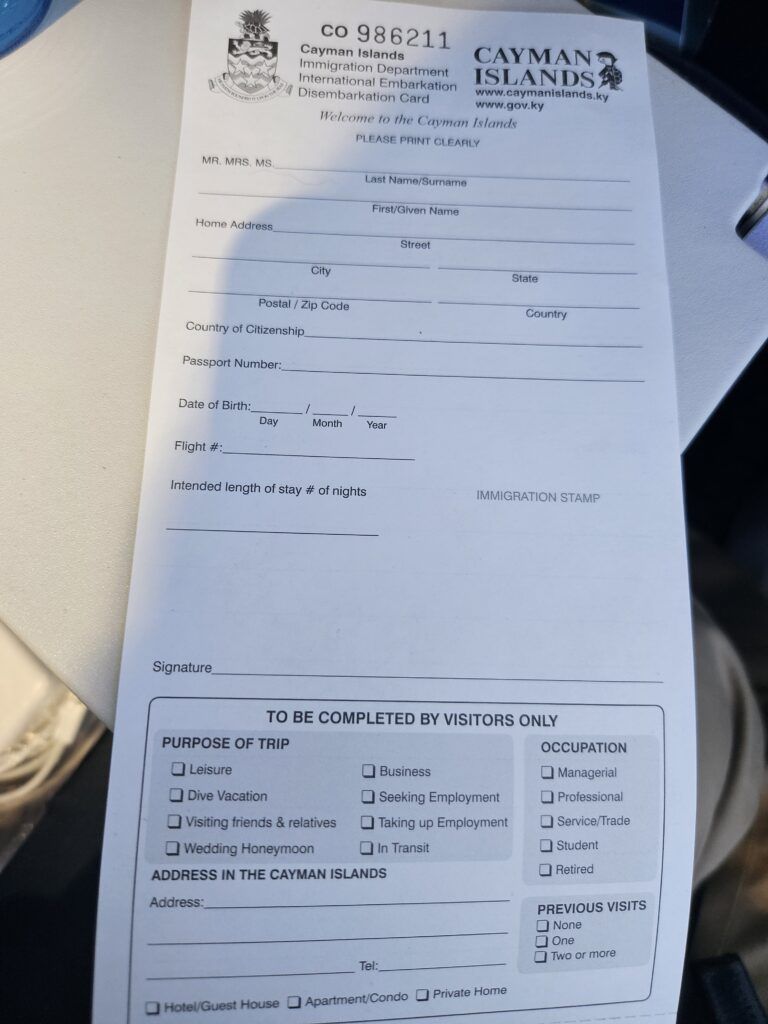
I forgot to bring a pen. I NEVER forget to bring a pen. I ALWAYS make sure to bring a pen. When travelling internationally, make sure to bring a pen. Every country you fly to or cruise to will have these custom declaration forms to fill out. Until this most recent trip to Grand Cayman, I had always been prepared to hand over a very nicely filled out custom declaration form. Not this time. My form looked exactly like this, see photo below, when I arrived at the customs / immigration desk. They gave me a pen and I had to step aside to fill it out. It was not a really big deal. It took me about five minutes longer to get through customs than it should have. ALWAYS bring a pen.
Your Travel History: Why It Matters for Visas
I learned early that my travel history can affect how easy it is to get a visa. Immigration officers might look at where I’ve traveled, my record of going home on time, and how many visa applications I’ve submitted in recent years. If you’ve overstayed in the past or have a complicated travel record, applications may take more time or even get denied. Providing full and honest documents always helps, like entry and exit stamps and proof of steady travel with no past visa problems.
Having onward travel already booked is often required, as some countries want to see a return ticket to know you plan to leave after your stay. I always keep digital copies of these important papers to make border crossings and visa interviews much smoother.
Travel Purpose: Clarifying Remote Work and Tourism
The reason for your stay matters a lot when it comes to visas. Most countries still expect travelers on tourist visas not to work, even if the work is remote for a foreign company. Some digital nomads push the limits, but real digital nomad visas are meant for remote workers who don’t compete with locals for jobs.
When I apply for visas, authorities usually ask for proof that I can live on my own money and work for a business outside their country. This might include:
- Proof of remote employment or steady freelance gigs
- Bank statements showing you have enough money to support yourself
- Invoices or pay stubs showing outside income streams
If you work while on a tourist visa and get caught, you risk fines or even being banned from coming back. It’s safer to be up front and pick a place that clearly welcomes digital nomads with the right visa options. More countries now see the perks of remote workers and are easing up on old rules, so planning can be less tricky than it used to be.
Staying Updated: How Travel Advisories Affect Digital Nomads
Travel advisories often go ignored, but I never skip them because they can decide visa approvals and safety. Many governments put out travel advisories that note health issues, political unrest, or sudden entry rule changes. The U.S. State Department and UK Foreign Office update their advice often for every place. Subscribing to these updates helps me avoid trouble and plan smarter.
Travel advisories could affect whether a country even gives out visas, or they may slap on stricter requirements, like mandatory health insurance or quarantine rules. Some countries close off borders with almost no warning or add surprise documents, so signing up for embassy alerts and official news really pays off.
What You’ll Need: Common Digital Nomad Visa Requirements
The process for remote work visas nearly always involves some standard paperwork. Here’s what I always gather up ahead of time:
- Valid passport with at least half a year left before it expires
- Proof of steady income (recent bank statements, signed contracts, or invoices)
- Details of your remote job (employment letters or client contracts)
- Health or travel insurance covering your full stay
- Criminal background check (sometimes asked for, depending on the country)
- Completed visa forms and updated ID photos
Keeping these documents ready makes the visa application process much smoother. Some places want to see a minimum monthly income, maybe $2,000 or even higher. Doublecheck every country’s details closely before putting in your application to speed things up and avoid delays.
Key Things to Consider Before Moving Abroad
Packing up for remote work excites everyone, but it brings some real challenges too. Here are a few things to always keep in mind:
- Changing regulations: Laws around digital nomads change fast. I keep close tabs on official embassy and immigration websites to dodge unexpected curveballs.
- Local taxes: Some countries charge tax on foreign income after you’ve been there a while. Dig into local tax policies if you will be there for longer than six months.
- Reliable internet: It’s nonnegotiable for remote work. I scan traveler forums and chat with digital nomad groups to get the real deal on internet speeds.
- Healthcare: Travel health insurance is rarely just suggested for visa applicants—it’s often mandatory. Finding English speaking doctors is a relief in emergencies, so research well before flying out.
Adjusting to Local Rules
I always respect the local customs and laws of any country I visit. This makes for a smoother experience, helps dodge fines, and builds bridges with locals. Joining expat groups is helpful for getting the heads up on rule changes and extra red tape.
Financial Planning on the Move
Managing cash flow when living abroad can catch you off guard. You can use savvy banking moves like online banks with low international fees and good access to ATMs worldwide. Watching exchange rates and having backup plans for emergencies gives the blogger the slack needed if plans shift suddenly.
One Update:
Congressman Greg Steube introduced a bill to scrap the H-1B Program and in Febuary of 2026. the H-1B visa looks in peril. It may be banned soon.
Frequently Asked Questions
Her are a few questions about how to deal with visas as a digital nomad, a few common ones from my own time on the road with answers found on a professional site:
Question: Can I work on a tourist visa?
Answer: Most countries don’t allow remote work on a tourist visa, even if the employer is outside the country. Applying for a digital nomad or remote work visa is the safer move.
Question: How much income do I need for a digital nomad visa?
Answer: Most programs want proof of a steady monthly income, generally ranging from $2,000 to $3,500 depending on the destination. Always doublecheck the latest requirements on the official visa site.
Question: Can my family come with me under a remote work visa?
Answer: Some digital nomad programs offer dependent visas for family. You’ll need to show extra financial stability and may need health insurance for everyone. Tracking down these rules ahead of time can save stress and make the move go smoothly.
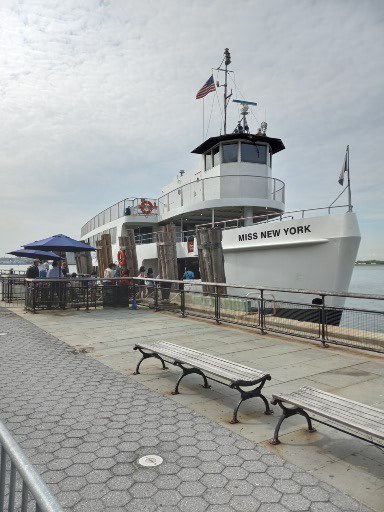
This photo was taken at battery park while we approached the ferry that took us to Liberty Island and Ellis Island.
Final Thoughts
Visa requirements for digital nomads are changing quick, but careful preparation and reliable sources make a real difference. I’ve realized that by staying on top of the rules, reading the fine print, and being upfront about why I’m traveling, I can really enjoy the digital nomad lifestyle with fewer headaches. There’s nothing like working from a fresh location, but taking care of the paperwork up front always pays off in the end. Make use of support from blogger groups online to share stories, get advice, and stay ready for the next big adventure. I will keep this article updated as needed.
Great breakdown of a topic that can be surprisingly complex! When I started working remotely and exploring the digital nomad lifestyle, navigating visa requirements was one of the biggest challenges. Each country seems to have its own rules, and what works for tourists doesn’t always apply when you’re working online.
I found that staying up to date with embassy websites and joining digital nomad forums really helped. I’ve personally gone through the process in a couple of countries, and while it takes some planning, it’s absolutely worth it for the peace of mind and legal clarity.
Appreciate you shedding light on this—it’s the kind of info that’s essential but not always easy to find!
Thank you for the very nice comment. I will follow your posts. MAC.
I really enjoyed this article! It’s super helpful how it breaks down the different visa requirements for digital nomads—I had no idea there were so many options depending on the country and type of work.
I also like how practical the tips are, like planning ahead and keeping track of documentation. I’m curious—have you found any particular countries that make the process especially easy or beginner-friendly for first-time digital nomads?
Hello kiersti, thank you for the very nice comment. I can say that it is still just as easy as ever to get into Canada and Mexico from USA even though they now require passports wheras, they never required passports. in previous years. But once you have your passport, then it is still fast and easy entering those countries. And of course, we now have the Schengen Area of Europe means we can visit as many countries as we want in that area with only the visa received from the first country we visit. Personally, I prefer to go through the immigration area of each country to get a new visa stamped into my passport. Oh well. Indonesia has made it harder now because, although, you can still get your “visa on arrival”, It does cost more than it used to. In fact, when I first started visiting Indonesia, their visas were free, but not any more. I do not find much change in other countries. And, maybe I should have included this in my article, Iceland has made it VERY easy to get an entrance visa approved. So if somebody wants to choose a county because of how easy it is to get a visa, then GO TO ICELAND. Anyway, this is getting kinda’ long so I better stop. Thank you again for the nice comment. MAC.