
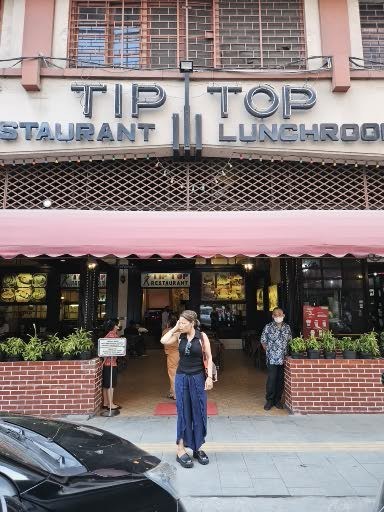
The photo above was taken at one of the oldest constantly running restaurants in Medan, North Sumatra. The founding family of Tip Top still manages it through three generations. It was opened in 1929. At that time there were only two real restaurants in Medan. All other eating places were warungs. The other restaurant at the time is unknown to me because it no longer exists. It is a good restaurant but I think it shines mostly in its dessert selections. It has a very large selection of desserts including es campur and peach melba.
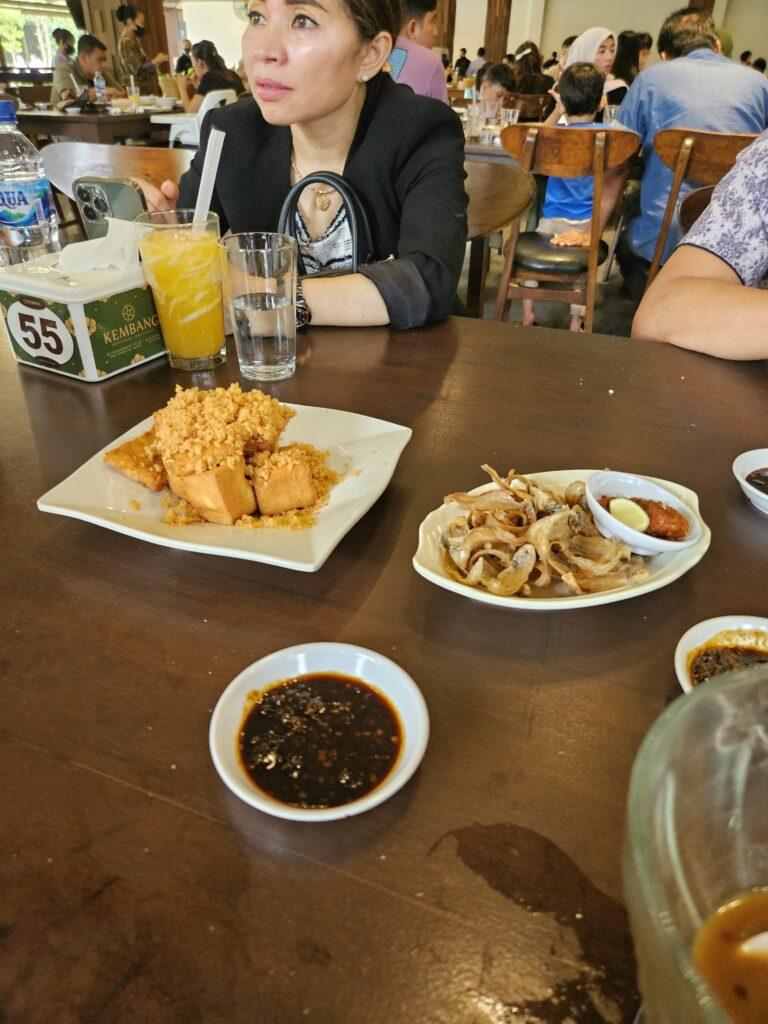
The photo below was taken in a large restaurant (Restauran Istana Minang) that we ran across while we were entering Medan after our long two week excursion throughout North Sumatra. This is similar to Restoran Kembang which is considered one of the best in the Medan area by many. It also can be found along the highway between Parapat and Medan. Both of the restaurants mentioned here are excellent.
Looking for very new tastes in food that are not too scary? Sumatra has a lot more to offer than most travelers here realize. I once read that Indonesia has no signature meals of note but that author was way wrong. Join me for a truly exotic and tantalizing journey into the culture of Sumatran cuisine.
Aceh, a province rich in history, reveals its unique culinary landscape through an intriguing mix of cultural influences. The cuisine is as diverse and complex as the history of Aceh itself, intertwined with the flavors and techniques brought over by waves of traders and settlers from the Middle East, India, and neighboring Malay regions. This has given birth to a delightful array of dishes that embody a true fusion of tastes.
Signature dishes are where the magic of Aceh’s culinary symbiosis truly shines. Mie Aceh, a spicy noodle dish influenced by Indian spices, offers a bold, aromatic experience with its thick curry-like broth. Then there’s Ayam Tangkap, a must-taste fried chicken dish seasoned with a blend of local herbs and spices, typically served with crispy fried leaves adding a surprising texture.
Kuah Pliek U is another heartwarming dish, a rich vegetable curry that reflects Aceh’s love for coconut and earthy spices. It’s a dish that’s widely regarded for its comforting, home-cooked feel. These dishes highlight how Aceh’s food doesn’t just satisfy the hunger but tells a story of history and heritage with each bite. This dish is usually served at celebrations.
Local eateries and restaurants play a significant role in spreading Aceh’s flavors. In Banda Aceh, try Rumah Makan Aceh Rayeuk for authentic, traditional dishes served with a side of hospitality. The Jingga Warkop stands out as a popular hangout spot, where locals gather over refreshing cups of Aceh’s famous coffee blend. O Titi Restaurant is another gem where you can experience a hearty meal surrounded by the essence of Aceh’s bustling street life.
Visiting these places is like getting an insider’s view into the heart of Acehnese food culture. Whether you’re on a culinary adventure or just hungry for something new, Aceh’s dining scene offers a treasure trove of flavors waiting to be discovered. When we went to the Gunung Leuser Orangutan Conservation Center, we were staying in a small losmen in a small town called Bukit Lawang. It is on the Bahorok River. which is in North Sumatra but Gunung Leuser is in Aceh. t was wonderful to have these meals that were new to us. I did eat the mainstay nasi goreng with fried egg on top, for breakfast but I was always trying these different foods in Bukit Lawang.
Medan’s Culinary Delights: Where Tradition Meets Fusion
Medan stands out as a vibrant melting pot of flavors, where traditional recipes meet the innovative touch of its diverse populace. Known for its ethnic diversity, Medan is a culinary mosaic influenced by Chinese, Batak, and Malay cultures among others like the Tamil influences of south India. This vibrant mix not only enriches the city’s social fabric but also its culinary offerings.
Diving into Medan’s food landscape, there’s an array of must-try dishes that leave a lasting impression. Babi Panggang Karo, a Karo specialty, is a delicious pork dish usually seasoned with a blend of traditional spices, giving it a smoky, savory flavor profile that’s adored by meat lovers. I was surprised that the Batak Karo people would cook and eat Babi of any sort because babi is pig and I thought all Batak Karo were muslim. Well, when I asked about the Karo people cooking and eating Babi Panggang, I found out that this is only in the Christian villages in the Tanah Karo (Karo homelands.) So there are plenty of Christian Karo families. In fact, there are about 58% Protestants and about 19% Catholics in the Karo population. So there are actually more Christians than muslims in the Karo population.
Saksang is another quintessential Batak dish, a spicy pork stew traditionally cooked with blood and seasoned with andaliman, a local spice akin to Sichuan pepper. This was served to me one time in a household in Medan; a home of one of Faridas’ uncles. The dish does seem to be quite a delicacy but pork is something I just will not eat. It was also served to me in Si Muara but that time it was made with dog meat. They told me it was chicken (and maybe it was) but I had heard a dog yelping and wining just an hour previous after which I saw the slaughtered and skinned dog being carried to the kitchen. I can sure tell the difference between a slaughtered dog and a slaughtered chicken. So, whether they served me chicken meat or dog meat, it did not matter. I WAS NOT EATING MEAT THAT DAY.
Then there’s Soto Medan, a rich, coconut milk-based soup featuring chicken or beef, seasoned with a cornucopia of spices, a Indonesian style culinary delight that soothes the soul. It’s fascinating how Medan’s cuisine doesn’t shy away from the bold use of spices and flavors, making every meal an adventure for the taste buds. The influences from its Chinese and Batak communities are unmistakable, inspiring chefs to blend techniques and ingredients that result in a cuisine that feels both familiar yet exotic.
For a taste of Medan, locals often recommend exploring the popular food joints tucked away in lively neighborhoods. Top spots include RM Tabona, famed for its Soto Medan, which many argue offers the most authentic taste of this classic dish. Meanwhile, tip to Medanese food wouldn’t be complete without a stop at Medan’s Chinatown, a bustling district best known for its street food paradise, where vendors line the streets with arrays of local favorites.
So, it turns out Medan isn’t just a city; it’s a sensory experience that delights and surprises with every meal. It’s a place where age-old traditions meet modern culinary flair, inviting visitors to indulge in its rich and flavorful heritage. One of my all time favorite meals in the Chinese cafes is Cap Cai. It is wonderful. It is a Peranakan or Southeast Asian Chinese dish that is loved throughout Indonesia, Malaysia, Singapore, and my household. It is supposedly a dish that was created with all the left over vegetables that the Chinese emperor did not finish each day. The vegetables would be mixed together and stir fried. The Hokkien Chinese immigrants developed this dish as they migrated to Southeast Asia giving it the special flavors that make Cap Cai a must try meal.
The World-Famous Nasi Padang: A Flavorsome Feat
Nasi Padang stands as a culinary icon not just within Indonesia but across the globe. Originating from West Sumatra, this style of serving multiple small dishes is famed for its rich and diverse flavors. It’s a feast that not only pleases the palate but offers insight into the vibrant culture of the Minang people. I love eating in Padang style restaurants but I must admit, I have to be careful with some of the selections because they will be spicy hot.
The charm of Nasi Padang lies in its communal style of dining, where dishes like rendang, spicy green chili relish, and sambal lado mudo are displayed together, served with a generous portion of rice. This practice of showcasing many dishes allows diners to sample an array of flavors all at once, from rich coconut gravies to fiery sambal mixtures, painting a picture of the dynamic local spice palette. They can be hot but too delicious to pass up. What I do is add a ratio of rice to sambal that increases the rice portion and decreases the sambal portion compared to what the locals eat. Farida, my wife, will make sambal dishes that cut back on the red chilies. Same spices, same flavors, but less fiery hot.
What sets Nasi Padang apart on the international stage is its adaptability and flair. The dishes are crafted with a blend of spices unique to the region — coriander, turmeric, and lemongrass are just a few, lending each dish a distinctive taste profile. This makes it possible for the cuisine to have traveled far and influenced contemporary restaurants worldwide, leaving an indelible mark on global kitchens. Sit at the table, take the serving spoon in the rice bowl, fill your plate with some rice, then choose the small plates you want to add to your rice. You pay for only the small plates you choose.
Venturing into Nasi Padang eateries provides a quintessential experience. The grand, traditional Minang restaurants, known as Rumah Makan Padang, are must-visit spots, cherished by both locals and tourists for their authentic approach. Among them, Pagi Sore, in Kota Padang at Jalan Pondok 143 with its longstanding reputation, serving some of the finest rendang and some great Fish-Head Gulai, is often hailed as the best by aficionados. Rumah Makan Simpang Raya in Kota Padang and Rumah Makan Selamat in Bukittingi are also very good.
In essence, dining at a Nasi Padang joint isn’t just about filling up; it’s about savoring a cultural narrative told through food. It’s a chance to immerse oneself in the tastes, textures, and scents that define an entire region, making it a truly unique culinary encounter. You will be partaking in a cuisine with long standing connections with the early Indian and Malay traders and settlers or Sumatra. Minang cuisine is another term for Nasi Padang and it points to the culinary legacies that Minangkabau people are very proud of.
Palembang’s Gastronomic Treasures: A Dive into the Unknown
Palembang, the capital of South Sumatra, offers a culinary repertoire that’s as diverse as its vibrant culture. The city’s cuisine is steeped in history and influenced by its strategic position along trade routes, bringing together flavors that tell tales of past interactions and trades. I visited this city only one time so far so my experience with their signature cuisine is limited but I have studied it (as I have studied the special dishes in many areas of Indonesia) so I know what to look for in the future.
Signature dishes from Palembang are unique and flavorful, with Pempek taking the spotlight. This savory fish cake delicacy, typically accompanied by a tangy, spicy vinegar sauce known locally as cuko, embodies the innovative spirit of Palembang’s cooks. The fish cake is made with sago flour. The cuko is a really dark, brown sauce with vinegar, brown sugar, garlic, and chili peppers. This is a true staple food of Palembang easily found all over the city.
Tempoyak, another must-try, is a curious yet delightful fermented durian dish that adds a funky twist to the culinary experience. This is also very popular in Kalimantan. When durian is in season, there is an abundance of large durian fruits so it makes sense to make special durian dishes. To make tempoyak, the durian is mixed with salt then set out at room temperature for about a week. When eaten, it is used as a condiment with main courses or used as an ingredient in gulai or sambal.
Palembang cuisine is distinguished by the use of local spices and ingredients like asam gelugur and candle nuts that contribute to its distinctive taste. This rich palette of ingredients speaks to the local culinary artistry and a dedication to maintaining traditional cooking methods, while subtly integrating outside influences. We have obvious traces of Malay, Arab, Javanese, Indian, and Chinese. Martabak is also popular here which is directly influenced by Indian culture.
The city really is a culinary bridge, connecting various cultural flavors. This is also evident in dishes like Pindang Patin, a popular hot and sour fish stew (often made with shark and served with pineapple) and Laksan, which resembles the Malay lontong but with its own unique Sumatran twist. Tasting these dishes offers a chance to enjoy the seamless blend of different culinary traditions.
To truly immerse in Palembang’s food culture, visiting popular local dining spots is essential. RM Sri Melayu is a local favorite, revered for its authentic tasting Pempek and other local delights. Speaking of the other local delights, there are like 30 varieties of Pindang and shrimp dishes (Pindang stews are made with a large variety of seafoods and Rumah Makan Sri Melayu seems to have them all). You can eat here everyday twice for a month and still not eat everything on their menu.. Alternatively, explore the bustling night markets of Pasar 26 Ilir just off of Jalan Merdeka, where street vendors serve up a variety of Palembang’s signature snacks and meals. Fresh fruits and vegetables are sold here as in any large night market but there are also great food stalls that offer cheap Pempek or mpek-mpek and everything else under the Palembang moon. Mpek-mpek is so good, you will see even the youngest children eating it all up.
In Palembang, food is more than sustenance; it’s a celebration of culture and a testament to the city’s inclusive culinary evolution, making it a destination worth exploring for any food lover.
The Spice Trail of Sumatra: Crafting a Unique Food Identity
Sumatra’s vibrant spice culture forms the backbone of its distinctive cuisine. The island is renowned for its abundant use of spices, which not only enhance flavor but also preserve the cultural identity of its diverse culinary offerings.
At the heart of Sumatran cooking are spices like turmeric, galangal, and kaffir lime leaves. These are used lavishly across various dishes, creating robust flavors that capture the essence of the island. It’s the spices that transform a simple meal into an aromatic experience, infusing dishes with depth and complexity.
Indigenous ingredients further define the island’s food. For instance, andaliman pepper, known for its unique tingly heat and citrusy aroma, features prominently in Batak cuisine. Candlenuts and asam gelugur also play crucial roles, adding nutty and sour notes that balance the heat from chilies.
Local farming and fishing shape Sumatran cuisine, with fresh produce and seafood playing starring roles in many dishes. This close relationship with the land and sea ensures that the flavors remain true and authentic, preserving the traditional taste profile that has been passed down through generations.
Signature dishes like gulai and nasi goreng are made with these local spices, creating layers of flavor that are both intense and harmonious. Sumatra’s culinary art lies in its ability to balance these flavors, a skill honed from centuries of practice and cultural exchanges.
Sumatra’s spice legacy is more than just an aspect of its cuisine; it is a part of the island’s cultural heritage. The spices tell the story of the island’s history, its people, and their way of life, offering anyone who samples its food a glimpse into its rich traditions.
Rendang: More Than Just a Meal, It’s a Cultural Heritage
Rendang is more than just a dish in Minangkabau culture; it represents the heart and soul of a community steeped in tradition. Originating from West Sumatra, this slow-cooked beef stew has gained international acclaim, often hailed as one of the world’s most delicious foods. It certainly is delicious enough to get me eating beef again. Only in this case though because I have not eaten beef in any other form since 2018 when I ate Beef Bourguignon in Paris. I cannot resist Rendang because it is so very scrumptious.
The roots of rendang run deep in Minangkabau society, where its preparation is steeped in customs and often reserved for special occasions such as weddings and religious ceremonies. Its methodical cooking process embodies patience and resilience, qualities revered by the Minangkabau people. Even Faridas’ sisters will go out of their way to make beef rendang for our family reunions and they are not even of the Minangkabau people. On the other hand, Faridas family is Batak Toba and Batak Dairi who use a Gold Fish Curry dish for their wedding celebrations. The Koi is long simmered in a very delicious Indonesian style curry sauce. Anyway, back to the Rendang:
Rich in spices like turmeric, ginger, and garlic, and simmered for hours in coconut milk, rendang’s flavors deepen over time, creating a tender, aromatic delight. Each ingredient in rendang carries symbolic weight, reflecting family ties, communal solidarity, and hospitality. The dish serves as a cultural emblem, symbolizing unity and the significance of communal living. It’s customary for rendang to be made during community gatherings, where its preparation helps strengthen social bonds.
Today, rendang has crossed borders, becoming a global favorite while maintaining its traditional roots. However, the quest for authenticity remains, with many striving to experience rendang in its truest form, as traditionally prepared in Minangkabau homes. I would love to have rendang here in Albuquerque but finding all of the ingredients may be difficult. We do have 2 large Asian markets in Albuquerque but they do not put emphasis on Indonesian nor Malaysian foods.
Modern variations of rendang have emerged, with chicken, jackfruit, and even tofu renditions catering to diverse palates. Despite these adaptations, the essence of rendang—its rich flavors and deep cultural roots—remains unchanged, making it an enduring symbol of Minangkabau identity. I recently found a website called Rasa Malaysia that has a wonderful chicken rendang recipe. I do not eat chicken very much either but I would eat rendang made with organic chicken, or better yet, rendang with tempe would be perfect.
Discover the Hidden Gems: Unveiling Lesser-Known Sumatran Street Foods
Sumatra is a treasure trove of culinary delights beyond the well-known dishes of rendang and Nasi Padang. The island’s street food scene, though less publicized, offers a rich tapestry of flavors waiting to entice the adventurous eater. Did anyone say pisang goreng? Or stacks of durian on street sides? When it comes to food tourism, Sumatra is more like the wild west rather than well organized food tours. Sumatra is really underrated. Sumatra is real special. Before I finish up, here are just a few foods you will see walking the streets of the cities and towns:
Among these hidden gems is Dendeng Batokok, a West Sumatran specialty akin to beef jerky but with a unique Sumatran twist. The meat is pounded, marinated with chili and lime, and quick-fried for a spicy, tangy punch that pairs perfectly with steamed rice.
Soto Padang is another notable mention, a clear beef soup seasoned with a blend of spices, poured over slice potatoes and crispy beef, providing a taste experience that is both comforting and flavorful. These streetside surprises reflect the local flair and creative use of everyday ingredients.
A stroll through Sumatra’s markets reveals myriad snack offerings. Taste-rich Ketupat Sayur, served with coconut gravy and a medley of vegetables and kerupuk, it is a common yet delightful find. Its comforting simplicity is a staple in many food stalls and continuously captivates those who stumble upon it. Oh and Pecal is a must-try food. It is vegetables in an absolutely exquisite sauce with a bit of peanuts included but not as predominantly in the sauce as they are with Gado-Gado.
Several eateries extend beyond the city hubs into quieter neighborhoods, offering authentic experiences wrapped in local charm. Long-standing favorites like Warung Kopi Bukit Tinggi serve up hearty buffalo meat dishes in Padang, while Warung Mbak Dede in Medan is celebrated for its traditional cooking methods handed down generations.
These hidden gems and informal roadside setups are often frequented by locals, filling the air with aromatic wafts that invite exploration. While not always easy to find, these places offer authentic flavors that provide insight into the daily lives and tastes of Sumatra’s people.
For the curious traveler, uncovering these street food delights is like finding the heart of Sumatra in each bite. It’s more than just eating; it’s journeying through the flavors and stories that create our shared love for food and culture.
Anthony Bourdain said:
“If I am an advocate for anything, it’s to move. As far as you can, as much as you can. Across the ocean, or simply across the river. The extent to which you can walk in someone else’s shoes or at least eat their food, it’s a plus for everybody. Open your mind, get off the couch, and move.”
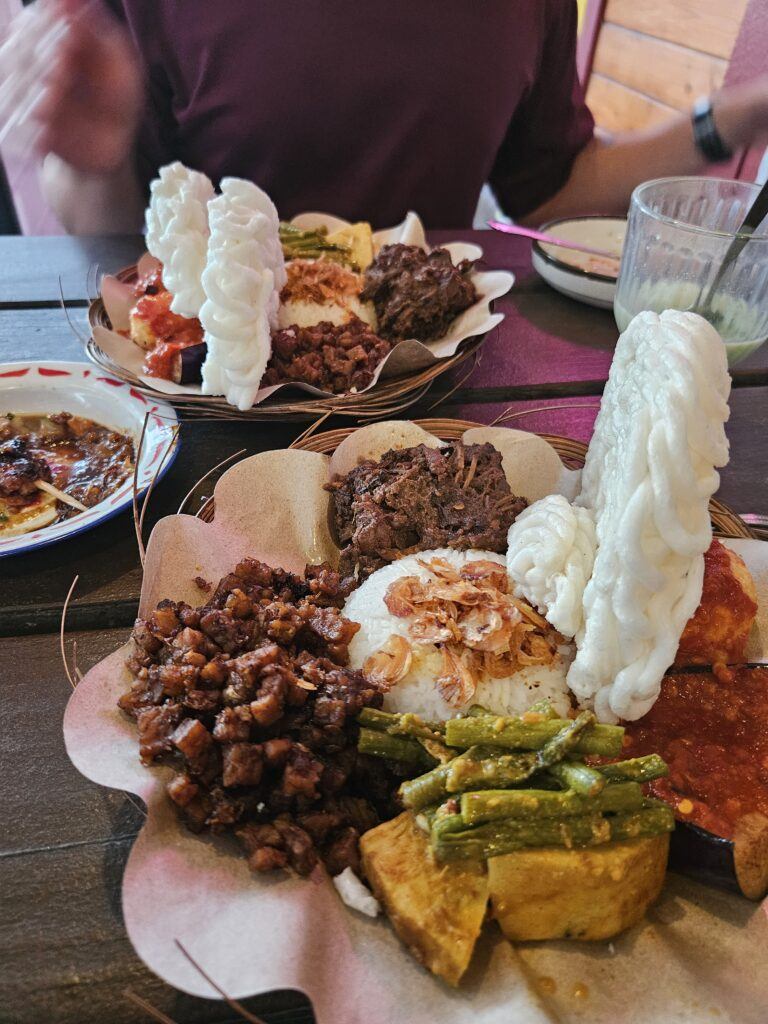
Here is a good sample of several Indonesian foods. Looking at this, can any one truthfully say that Indonesia has no foods of note? Feel free to comment about your opinion about Indonesian food (and Malay foods can also be included because Indonesia and Malaysia share many foods).
Just in case you felt the urge to book a plane ticket to Indonesia so you can eat some of this wonderful food first hand or book a hotel room so you can stay there for one week eating all the foods I described in this article, then click on the link below and you can peruse booking. com website:
http://www.awin1.com/awclick.php?mid=6776&idhttps://=2ee50e8b
That post was such an enjoyable read! I love how you highlighted the variety of flavors in Sumatran cuisine—it really shows how rich and diverse the food culture is. Rendang especially caught my attention since it’s often called one of the world’s best dishes. Have you had the chance to try these foods locally in Sumatra, or mostly outside the island? Also, if someone was visiting for the first time, which dish would you say is the absolute must-try to really capture the essence of Sumatran cooking?
Hello thank you for the nice comment. And yes I have eaten pretty much every thing mentioned in the article except for some of the Palembang cuisine and street food mentioned in the last section. I was in Palembang only 2 nights so a lot of what I know about their cuisine I researched. But the Medan specialties and Nasi Padang were what I lived on while traveling in Sumatra. I actually spent some 6 months (between 5 trips there) in Sumatra so I ate pretty much every thing mentioned here in Medan and Padang. As for the must try dishes? Rendang absolutely for those who eat beef andGado-Gado or Pecal for those who do not eat any meat. I forgot to mention Pecal in the article but it has a few variations but usually has several vegetables with an absolutely exquisite flavor. Anyway this response is getting a bit long so I better sign off. Thank you again for the very nice comment. MAC
I don’t blame you for not trying the chicken/dog meat that day. I don’t think that I would have been able to handle it either. In fact I don’t think I would enjoy knowing that my food was cooked in blood, even if it is a delicacy.
Other than that, I usually love to try hearty stews and would definitely be open to the Ketupat Sayur served with coconut gravy and veggies.
The desserts would probably be the thing I would be most likely to try. I wonder what their sweet meats are like?
Hello, thank you for the nice comment. Ketupat Sayur would be a wonderful choice indeed. I rarely would choose a meat dish over a vegetable dish. It has to be very special and famous to try a meat dish. Any way, yes there are wonderful desserts I seek out every time I visit Indonesia. Pisang Goreng can be cooked to order on many streets of Sumatra (actually anywhere in the country). They are breaded bananas that are cooked in woks and are delicious and not too sweet. I also have Kue Lapis every time I visit. It is a colorful layer cake because each layer is a different color. They are made with rice flour and coconut milk and steamed in steamers. They are yummy and not to sweet. Anyway, thank you again for the comment. MAC.
What a fascinating exploration of Sumatra’s culinary scene! Your descriptions make me feel like I’m walking through Medan’s streets and tasting each dish myself. I loved learning about the cultural influences behind Aceh’s Mie Aceh and Ayam Tangkap, and the way you explain Nasi Padang’s communal dining style is so vivid. I’m curious, with so many unique flavors and regional specialties, do you have a personal favorite dish from your travels in Sumatra that you find yourself craving the most, and why does it stand out to you?
Hello Hanna, yes, Gado-Gado is my all time favorite food in Sumatra because it is really delicious. It is steamed vegetables smothered with peanut sauce like sate sauce. I love peanut sauces so to me it is both really delicious and healthy. I miss a lot of foods from Sumatra but that is the one I miss the most. Thank you for the very nice comment.MAC.