
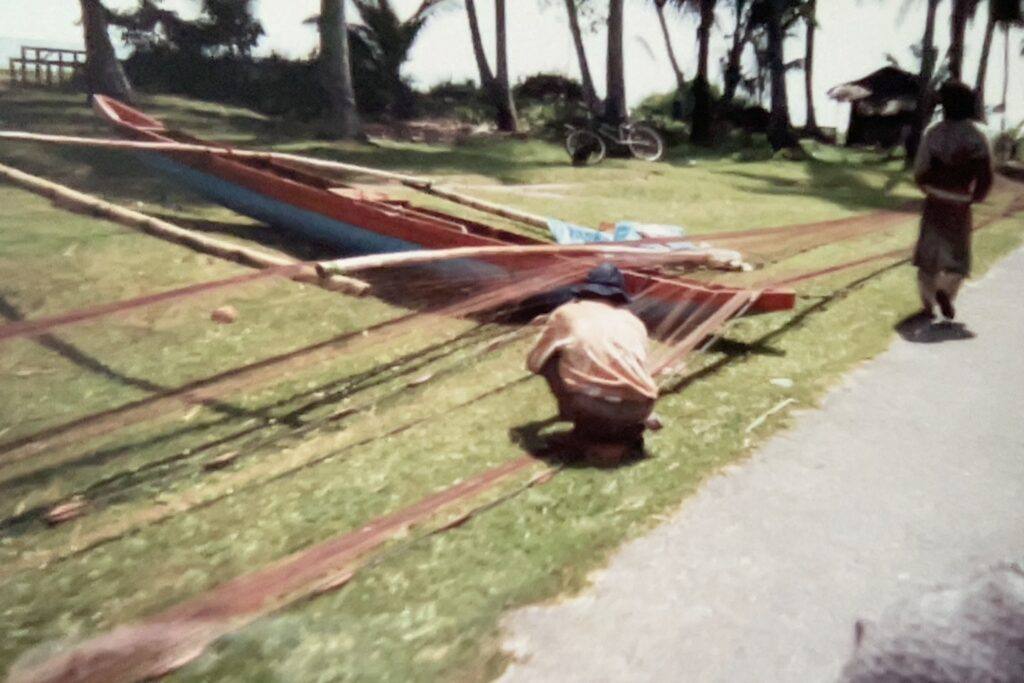
This photo was taken on the road from Parlilitan North Sumatra to Barus which is on the Indian Ocean in West Sumatra. We are entering Barus where racks of drying fish and boats with fishing nets are being repaired. We ate some mighty fine ikan bakar here. Staying healthy on the road is easy when we are eating fish and sweets that are not too sweet and drinking juices that are fresh squeezed.
Traveling is a thrilling adventure, but staying healthy while you’re on the go can be a bit tricky, especially when you’re bouncing between developed, developing, and third-world countries. Each region comes with its own set of health challenges and systems in place. In some developed countries, medical facilities are state-of-the-art, but in developing and third-world countries, access to basic healthcare services can be sketchy. So, how do you stay ahead of the game?
First up, vaccinations and meds are great preventive tools.. Depending on where you’re headed, you might need immunizations for diseases like yellow fever, typhoid, or hepatitis. Some places might also require malaria prophylactics. It’s all about prepping according to the region’s specific health risks. Checking with your local health department or the CDC for travel advisories can give you the lowdown on what shots and meds you need well before packing your bags.
I did get yellow fever and malaria prevention before I left for Sumatra Indonesia the first time I went there. I am happy that I protected myself from malaria because, by the time I returned to the USA, I had mosquito bites on my feet the size of dimes swollen up red and itchy. I am from Colorado and lived in Minnesota so I have had thousands of mosquito bites in my life, but never like these. It took at least a month for the bite scars to completely disappear. I do not know if I could have gotten malaria from the mosquitos that caused those bites but I am glad I had the medication to prevent it because I really suspect I may have. I also drink lots of tonic water while traveling through Southeast Asia. I do not use the malaria medication when I travel to Indonesia now just because I see the malaria problem diminishing, at least in the areas Faridas’ family members live. Malaria is still there but a good insect repellant has kept me protected efficiently enough to give me peace of mind and my last two trips to Southeast Asia have been free of huge, scaring mosquito bites.
Local health resources can save the day if a problem does arise. It’s smart to have a list of nearby clinics or hospitals at your destination, especially if you’re visiting developing areas where healthcare might not be up to snuff. Knowing where the nearest medical outpost is can cut down your panic time in an emergency. Trust your instinct when it comes to health, and don’t shy away from seeking help if you’re feeling off. In small towns throughout places like Sumatra, you will easily run across a Malaria Clinic and other clinics that advertise themselves quite clearly.
Travel insurance might not sound exciting, but it’s a solid safety net. When picking a policy, look for one that covers medical emergencies, hospital visits, and evacuations specific to your travel location. Healthcare costs can vary wildly between countries, and nobody wants to get hit with a surprise bill that could ruin a holiday faster than you can say ‘credit card declined.’ Investing in good coverage means peace of mind pretty much wherever you roam. I do not always purchase travel insurance but I will make the purchase when I am traveling to someplace like India for more than a few days.
Preparing for Extended Travel: A Roadmap to Health and Safety
When you’re gearing up for a trip that’s longer than just a quick weekend getaway, prepping becomes your superpower. It’s like stocking up on supplies for an epic adventure. Here are a few must-have items that’ll keep you in top shape on extended travels.
First on the prep list is assembling a solid health checklist. You’ll need basics like prescription meds, hydration tablets, first aid supplies, and maybe a few comfort items like motion sickness pills if you’re prone to queasiness. Packing these essentials can save you from scrambling to find them in unfamiliar places where language barriers might add to the challenge.
Food and water safety can vary a ton depending on whether you’re in a developed or developing country. While you might grab tap water at a restaurant in one place, you’ll want bottled in another to dodge any unwanted tummy trouble. It’s crucial to be informed about local safety standards and stick to cooked meals when raw might not be safe.
Keeping up a balanced diet isn’t just about what you eat, but also when and how often. Long travel can mess with your eating schedule, so packing snacks like nuts or granola bars is smart. And staying hydrated is key, especially if you’re flying or under a hot sun—carry that reusable water bottle like it’s your best buddy.
Don’t lose track of your fitness routine. It might mean switching up your gym sessions for a walking tour, yoga, or using hotel facilities if you’re lucky enough to have them. Staying active boosts not just physical health but mood too, making you more resilient to travel stress and changes. I always look at the amenities of a hotel when i am making reservations and an exercise room is the first thing I look for.
Also, I have a daily step goal of 10,000 steps. It used to be difficult for me to reach my 10,000 daily step goal when I was traveling. During my last trip, which was to the Cayman Islands, I made up my mind to walk at least 8,000 steps before I did anything else. The last 2,000 steps would be achieved during the rest of the day. I even walked all the way from the airport to the West Bay Holiday Inn Resort which is quite easily done on Grand Cayman (although I would not recommend doing that unless you absolutely love hiking). The next day I walked to a public bus stop to take the public bus to the Cayman Turtle Center but I passed two bus stops before waiting for a bus at the third bus stop I came to.. That way I achieved some 7,000 steps even before I explored the Turtle Center. So I now have a great routine to achieve 10,000 steps every day, even while traveling.
Getting these building blocks of travel arrangements in place helps keep you healthy, so you can focus on the fun and freedom of exploring without the hassle.
Weather Watch: An Essential Element of Travel Planning
Weather can really mess with your travel plans, but it doesn’t have to if you play it smart. Before you even hop on that plane, check out the weather forecast for where you’re headed. Knowing in advance whether you’ll be dealing with sunshine or storms means you can pack accordingly—no surprises, just smart preparation.
The impact of weather on your health is no joke. If you’re going somewhere with intense heat, make sure to hydrate, wear breathable fabrics, and take it easy during the scorching hours. On the flip side, if frigid temperatures are on the horizon, layering up is crucial to prevent frostbite. When you’re aware of these risks beforehand, you can take steps to avoid them instead of scrambling last minute.
Packing for different climates involves more than just deciding between shorts or a winter coat. Consider lightweight rain gear if showers are likely. A sunhat could be as indispensable as an umbrella depending on the forecast. Packing smart and light means you’re ready for whatever the sky throws your way, without being weighed down by unnecessary extras.
Plans changing because of the weather? Adaptability is your best bet. Flexible itineraries allow for weather mishaps without derailing your whole trip. Maybe a rainy day turns your planned hike into a museum visit instead. Being able to adjust keeps stress levels down and enjoyment up, while ensuring safe adventures regardless of what Mother Nature decides to dish out. The weather app I use is the default app that came with my cell phone. It is usually reasonably correct if not perfect in its forecasts. I chose to not bring an umbrella to Grand Cayman because it showed all the days of my visit sunny and hot with only an average of about 10% of rain. The forecast was correct for the most part but on the last day of my visit, while I was riding in the shuttle back to the hotel from George Town, it started to pour and it continued to rain all the way back to the hotel. So, although I avoided getting caught in the rain, It could easily have been raining an hour earlier, getting me plenty wet. So, the forecast may not always be spot on, but it would not have been too difficult for me to buy an umbrella in George Town if it did start raining an hour earlier than it did.

Photo of the Hurricane Center located between George Town and the Cayman Islands Airport.
Here is a FAQ section on health concerns while traveling:
General health and safety
Q: What are the most common health problems travelers face?
A: The most common issues are traveler’s diarrhea and other stomach problems, respiratory infections (like colds and flu), skin problems (rashes, sunburn, insect bites), and injuries such as slips, trips, and traffic accidents.
Q: How far in advance should I plan for travel health?
A: Ideally, schedule a health check and travel consultation 4–8 weeks before departure so you have time for vaccines, prescription refills, and any preventive medications like malaria tablets if needed.
Q: Do I really need travel insurance for health issues?
A: Yes, travel medical insurance (and evacuation coverage if going somewhere remote) is strongly recommended because healthcare and emergency transport abroad can be extremely expensive and may not be covered by your regular plan.
Vaccines, medications, and preexisting conditions
Q: Which vaccinations do I need for my trip?
A: Required and recommended vaccines depend on your destination, planned activities, and personal health, and may include hepatitis A, typhoid, yellow fever, Japanese encephalitis, meningococcal, and routine boosters like measles and tetanus. Always confirm with a doctor or official travel health site for your specific itinerary.
Q: I have a chronic condition (e.g., diabetes, heart or lung disease). Can I travel safely?
A: Many people with chronic conditions travel safely if they are stable, have medical clearance, carry enough medication (plus extra), and have a clear plan for what to do if symptoms worsen. Discuss fitness to travel, medication adjustments, and any flight restrictions with your healthcare provider in advance.
Q: How much medication should I pack, and how should I carry it?
A: Take more than you need for the trip (usually at least an extra week), keep medications in original labeled containers in your carry-on bag, and bring copies of prescriptions and a summary of your medical conditions in case of emergencies.
Food, water, and traveler’s diarrhea
Q: How can I avoid getting sick from food and water?
A: Use safe drinking water (bottled, boiled, or properly treated), avoid ice of unknown origin, choose food that is freshly cooked and served hot, and be cautious with raw produce, street food, and unpasteurized dairy in high‑risk areas.
Q: What should I do if I get traveler’s diarrhea?
A: Focus on hydration with safe fluids or oral rehydration salts, eat light foods as tolerated, and use anti-diarrheal or antibiotic medicines only as directed by a healthcare professional or your pre‑travel plan; seek medical help if you have high fever, sever pain, or signs of dehydration.
Q: Is it safe to drink tap water when traveling?
A: Tap water safety varies by country and even by region; check trusted travel health resources for your destination, and when in doubt, use bottled water with an intact seal, boiled water, or water treated with filters and disinfectants.
Insects, infections, and environmental risks
Q: How can I protect myself from mosquito-borne diseases like malaria or dengue?
A: Use insect repellent with DEET, picaridin, or similar actives, wear long sleeves and long pants (especially at dawn and dusk), sleep in screened or air‑conditioned rooms or under bed nets, and consider preventive medication if recommended for malaria-risk areas.
Q: Are respiratory infections like flu or COVID‑19 a concern when traveling?
A: Crowded airports, planes, and public transport increase the risk of catching and spreading respiratory infections, so stay up to date with recommended vaccines, clean your hands often, wear a well‑fitting mask in crowded or enclosed spaces as advised, and avoid travel if you are seriously ill.
Q: What health issues can occur at high altitude or in extreme heat?
A: At high altitudes, travelers can develop altitude sickness with headache, nausea, fatigue, and sleep problems, especially if they ascend too quickly; in hot climates, dehydration, heat exhaustion, and sunburn are common without adequate fluids, shade, and sun protection.
Flights, circulation, and special groups
Q: How can I reduce the risk of blood clots on long flights?
A: On long journeys, move and stretch your legs regularly, walk the aisle when possible, stay hydrated, avoid excessive alcohol, and consider compression stockings or medical advice on further preventive measures if you have clotting risk factors.
Q: Is it safe to travel while pregnant?
A: Many pregnant travelers can fly and travel safely with medical clearance, but they should avoid destinations with certain infections like Zika, take special precautions against blood clots, and ensure they have access to appropriate maternity care at their destination.
Q: Are children and older adults at higher risk when traveling?
A: Young children and older adults are more vulnerable to dehydration, infections, and extreme temperatures, so they may need tailored vaccine advice, closer monitoring for illness, extra fluids, sun and insect protection, and easier itinerary.
When to seek medical help
Q: When should I see a doctor during my trip?
A: Seek medical care promptly for high fever, severe diarrhea or vomiting, chest pain, difficulty breathing, confusion, serious injuries, or any rapidly worsening symptoms, rather than waiting for them to resolve on their own.
Q: Should I see a doctor after I return home?
A: Yes, get medical attention if you feel unwell after returning—especially if you develop fever, persistent diarrhea, jaundice, breathing problems, urinary issues, unexplained skin problems, or symptoms of a possible sexually transmitted infection.
Q: What should be in a basic travel health kit?
A: A simple kit usually includes regular prescription medicines, pain and fever relievers, oral rehydration salts, basic first-aid supplies, insect repellent, sunscreen, hand sanitizer, and any destination‑specific items recommended by your doctor, such as water purification tools or malaria tablets
This was such a practical and insightful read especially the personal stories, which made the advice feel relatable and real. I found the part about mosquito bites and malaria prevention particularly striking; it’s a great reminder that one small step, like medication or repellant, can make a huge difference. I also loved your 10,000-step travel routine super inspiring! Do you keep a checklist or app for tracking all these health prep steps before each trip?
Yes, I am tracking my step accomplishments, calorie burning, and walking pace and distance with the Samsung Heslth app and with Google Fit app. Thank you very much . MAC.