
Why I Keep Traveling, and Why You Should, Too
Each of these places gave me something new to remember, and challenges that helped me grow. Traveling the world isn’t just a long checklist; it’s a way to constantly explore, learn, and put myself in new situations. Even when things go wrong, the adventure keeps going. I encourage anyone who’s curious to get out into the world, whether it’s a trip to a nearby town or a ride across the globe. Every country has a story waiting, and sometimes it only takes a simple step to track down yours. There’s always another adventure around the corner, another dish to taste, or a new friend to meet. The world is richer than we imagine, and every moment on the road helps us write our own story, one journey at a time.
Travel shapes my life in such interesting ways. Every country I’ve visited has a personality of its own, and some trips have stories that I’ll always remember. Each place invites me to see the world with fresh eyes, try new foods, and understand a little more about how people live. Whether it’s a moment of awe in a big city or an adventure out in wild nature, these stories remind me why I keep my passport close at hand.
If you’ve ever wondered what makes travel so special, I can tell you that it’s often the unexpected moments—the things you couldn’t plan even if you tried. Every adventure changes me a little, challenges me, and gives me memories that make life more vibrant and full.
Here are 10 of my best travel backstories from around the world, each representing a country that left a mark. I hope these stories might spark your curiosity to track down some of these places yourself.
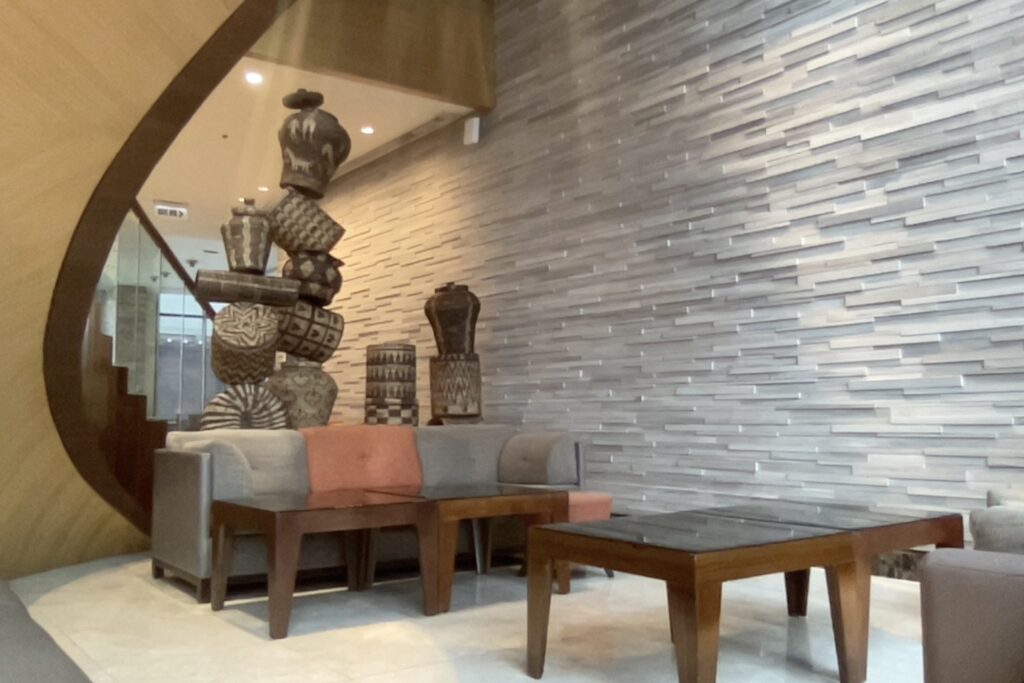
This photo was taken as we were relaxing in the lobby area of Holiday Inn & Suites Makati by IHG. The Makati neighborhood is in Central Manila
1. Stumbling onto Magic in Paris, France
Paris carries an energy that’s hard to describe until you step onto its streets. I remember wandering through Montmartre one spring evening, the scent of fresh bread drifting from a nearby bakery, soft music coming from a window above. That night, I got caught in a rainstorm without an umbrella and ducked under the awning of a tiny cafe. Strangers squeezed in beside me, laughing at the weather and sharing stories. Even though our French was shaky, I could sense the warmth that locals feel for their city. Paris feels delicate and layered, like every street holds secrets if you have the patience to look for them. People dress well and sip espresso outside, but it’s the quieter corners that gave me some of my best travel memories. I remember watching artists sketch at Place du Tertre and seeing the city lights reflect off the Seine at midnight, feeling like I’d stumbled into a movie scene.
What it’s Like to Travel in France
France is a country that expects you to slow down and appreciate the details. The food is a highlight for me, from flaky croissants in the morning to three-hour dinners at night. Historic buildings mix with lively neighborhoods, and the trains make it easy to see the countryside. Strikes, crowds, and high prices can be frustrating, but they are all part of the Parisian pace. Once you relax and adapt, daily life in France is full of charm and flavor. Exploring smaller towns can give you a more laidback experience—think of spending a quiet evening in Aix-en-Provence with a glass of local wine, or joining a village festival in Normandy and tasting cheese that will make you appreciate French dedication to food even more.
2. Jungle Wonders and Coffee Farms in North Sumatra, Indonesia
My first real adventure trip took me to North Sumatra, far from Indonesia’s big cities. I went for the wildlife, hoping to spot orangutans in the rainforests near Bukit Lawang. Trekking through thick, steamy jungle felt like stepping into another world. I remember waking up to the sound of monkeys above my tent, and at dawn, a guide led us to a clearing where a mother orangutan lounged with her baby. The air smelled earthy and sweet from nearby coffee plantations. Later, walking through the villages, I tasted local roast made by farmers who take real pride in their crops. The hospitality here is genuine, and every meal is a little adventure—rich spices, fresh fruit, and sometimes chili that will make you cry in the best way. North Sumatra showed me how much life exists away from city noise, and why protecting wild spaces is so important. I also got to watch how traditions thrive here, as locals perform batak dances during evening gatherings, their songs echoing through the hills.
What it’s Like to Travel in Indonesia
Indonesia offers huge variety, from calm rice terraces on Bali to rugged volcanoes and dense forests. It’s still easy to get off the beaten path, especially outside the tourist hotspots. Public transportation can be slow and unpredictable, but every slow bus and ferry brings you closer to the people and the landscape. English is not always spoken outside big cities, so a smile and a few Bahasa Indonesia words can open doors. While many travelers head to Bali, there are countless islands with hidden gems—you might find yourself on a deserted beach in the Maluku Islands, or hiking to misty peaks in Flores. Each region has its unique foods, music, and customs that add more layers to your adventure.
3. Ancient Ruins and Living Maya Culture in Guatemala
Guatemala fascinated me from the start. I landed in Guatemala City, but the real adventure began in the highlands around Lake Atitlán. One day, a local family invited me into their home for tamales. We talked about the history of their people, the Maya, and how old traditions shape life even today. Later, in the vast ruins of Tikal, I hiked up ancient stone steps at dawn, the jungle mist rising as howler monkeys called from deep inside the trees. Standing on top of a pyramid, I could see endless green mixed with temple tops, and, for a moment, felt connected to people who lived here a thousand years ago. Travel here means balancing safety, local customs, and a real sense of discovery. The beauty and intensity of Guatemala stays with me long after I leave. I also took time to explore the colorful markets in Chichicastenango, where you can see textiles woven by hand, each pattern telling a story passed through generations.
What it’s Like to Travel in Guatemala
Guatemala has a mix of vibrant cities, colorful markets, colonial buildings, and dramatic landscapes. Getting around can be a real challenge. Public buses (“chicken buses”) are cheap but crowded. But this country is full of warm people, incredible textiles, amazing volcanic scenery, and strong indigenous culture. Learning some Spanish helps a lot, and respecting local traditions makes experiences much richer. Hiking up volcanoes like Pacaya or exploring lakeside villages by boat gives you a glimpse of the country’s adventure spirit—just remember to check in with locals about safety and weather, since things can change quickly in the highlands.
4. Coral Reefs and Beach Living on Grand Cayman
My time on Grand Cayman was pure relaxation after an intense work stretch. I couldn’t wait to swim with tropical fish, so I headed straight to the coral reefs off Seven Mile Beach for snorkeling. The colors underwater—bright blue tangs, little clownfish, shifting coral—felt unreal. One afternoon, I joined a boat tour to Stingray City, standing ankle-deep in warm ocean beside southern stingrays. The guides told stories about the sea, and I felt the giant rays glide past, soft as velvet. Evenings meant grilled fresh seafood and gentle guitar music at local spots. Grand Cayman is known for its laidback vibe, safety, and crystal-clear water. It’s easy to slow down here, lose track of time, and breathe in the salty air. I took slow walks along the shore every sunrise and chatted with local artists who carve sea creatures into driftwood—a perfect memento for anyone who wants to bring a piece of the ocean home.
What it’s Like to Travel in the Cayman Islands
Grand Cayman is clean, friendly, and safe, with an easygoing Caribbean feel. Prices are higher than many other islands, so it helps to budget for food and tours. The infrastructure is good, and it’s very comfortable for families or solo travelers. The beaches really are as pretty as you’ve heard, and water sports are a big draw. If you love diving or snorkeling, there are protected areas teeming with sea life to explore. Even if you’re not a swimmer, the local cuisine—like fresh conch fritters and coconut shrimp—will keep you coming back for more.
5. Chasing History and Eating Well Across Italy
Italy is like a living museum. My favorite memory is wandering the narrow alleys in Florence, turning a corner, and suddenly facing the Duomo sparkling in late-afternoon light. Every day brought something new: sipping espresso near the Colosseum, hunting for the best pizza in Naples, or sharing homemade limoncello in a small hill town. Italian trains zipped me to hilltop villages like Orvieto and the ancient city of Rome. What stands out most is how Italians celebrate food and friendship—meals stretch for hours and everyone feels included around the table. Watching the sun set over the olive groves in Tuscany, I understood why people fall in love with this country again and again. Visits to places like the Amalfi Coast showcased cliffs splashed with colorful houses perched above the Mediterranean—it seemed every region had its own proud culinary traditions and historic treasures.
What it’s Like to Travel in Italy
Italy is very visitorfriendly, with great trains and passionate locals happy to share their culture. It helps to plan for crowds in top cities during high season, but there are still quiet corners if you look. Meals are an event, and the history can be overwhelming, so I recommend taking your time. Even small towns can surprise with stunning sights and amazing food. If you’re interested in art, every town offers its own galleries and museums, and the countryside rewards you with peaceful views and family-run farm stays. Don’t skip the local markets or slow food festivals—they’re an adventure for all the senses.
6. Night Markets and Thai Smiles in Thailand
Thailand was one of my first big solo trips, and it changed how I felt about traveling alone. Bangkok buzzes like nowhere else, but it was the night markets, like the ones in Chiang Mai, where I really felt the heart of Thailand. Food stalls offered spicy noodles, tangy papaya salad, and iced tea that cooled me down in the sticky heat. Vendors smiled and showed me how to eat sticky rice with my hands. Early mornings meant visiting golden temples, hearing the soft chimes of bells and monks chanting. Outside the cities, I visited elephant sanctuaries and learned to cook Thai curry from home cooks in rural villages. The energy, kindness, and flavors of Thailand stick with me every time I think about going back. Floating down the Chao Phraya River at sunset gave me the perfect view of Bangkok’s golden skyline, and hikes through northern mountains led me to tiny villages run by welcoming hill tribes.
What it’s Like to Travel in Thailand
Thailand is a favorite for first-time travelers because it’s so open and accessible. It’s easy to travel on a budget, and public transport ranges from tuktuks in cities to longdistance trains. English is widely spoken, but showing respect for local customs—like removing shoes before entering homes or temples—is really important. The street food scene is a real highlight, offering endless variety and flavor. Thailand also offers world-famous islands and beaches, so if you prefer nature and sea, places like Krabi or Koh Lanta give you white sand and warm water where you can just slow down and soak up the sunshine.
7. Chaos, Color, and Tradition in India
India pushes all the senses, and my trip here was equal parts overwhelming and inspiring. I remember arriving in Old Delhi, my rickshaw weaving between cars, cows, and people. Everything was noisy, fragrant, and packed with color—spices, fresh flowers, incense from a nearby shrine. In Varanasi, I watched sunrise ceremonies by the Ganges River, then followed pilgrims along ghats lined with flickering lamps. Trains rattled me across the country, providing connection with people who always wanted to chat or share snacks. The Taj Mahal was beautiful, but the moments off the main route, drinking chai in a bustling alley or watching a festival parade, gave me the strongest sense of India’s heart. I even attended a wedding in Rajasthan, where the music and dancing went on for hours, making me feel welcome even as a stranger.
What it’s Like to Travel in India
Travel here isn’t always easy. The crowds, heat, and constant motion can be intense, but there’s a deep kindness and curiosity from locals. India’s food varies by region, often served on banana leaves or metal trays. Trains are an experience in themselves, and it’s wise to expect delays and make plans as you go. Modesty in dress and learning a few Hindi words make travel smoother. Each region is different—the cool hill stations of the north, Kerala’s tropical backwaters, or the wild bustle of Kolkata—so mixing up your route helps you find balance between rest and excitement.
8. Sun, Street Food, and Ancient Sites in Mexico
Mexico was a ride through flavors and history. I spent time in Mexico City, climbing pyramids at Teotihuacan and eating tacos al pastor from a latenight stand. Museums showed off vibrant art and told stories of the country’s long past. I then headed south to Oaxaca, famous for its food markets and crafts. The street food here is just amazing—think fresh tamales, moles, and sweet churros with thick chocolate. I learned to make tortillas with a local family, a simple dish made with so much pride. Beyond the beaches, Mexico is full of music, hospitality, and traditions that blend Spanish and indigenous cultures. In small towns like San Cristobal de las Casas, festivals fill the squares with dancers and marimba bands, keeping old customs alive in a modern world.
What it’s Like to Travel in Mexico
Mexico is diverse in landscapes and cultures. Transportation is affordable, but cities can be busy and hot. Learning some Spanish goes a long way, but locals are often patient and helpful. Food is a centerpiece—regional specialties, street snacks, and family-run cafes. It’s smart to stay aware of your surroundings, especially at night, but most places are welcoming and lively. For nature lovers, mountain hiking, cenote swimming, and wildlife spotting in Yucatan add a whole new set of memories. Don’t miss exploring cenotes—jungle sinkholes filled with clear water—where you can swim, snorkel, and cool off in a hidden paradise.
9. Street Art and Slow Living in Penang, Malaysia
Malaysia surprised me with its blend of cultures. Penang, especially, feels different from anywhere else. The streets of George Town are filled with bright murals, old Chinese shophouses, and openair food courts where you can taste Malay laksa, Chinese dim sum, and Indian curries all in one meal. I spent afternoons walking past temples and colonial buildings, soaking in the humid, tropical air. Evenings brought hawker stalls where cooks prepared steaming plates to order right at the table. Locals love to talk about their city’s food, and I made friends over shared dishes of spicy noodles and icy cendol. Penang offers the perfect mix of art, architecture, and relaxed coastal life. Local artists put up new murals every year, transforming back alleys into colorful galleries, while the blue Cheong Fatt Tze Mansion and vibrant clan jetties show how Penang’s history keeps mixing with daily life.
What it’s Like to Travel in Malaysia
Malaysia is easy to travel, with good transport and an atmosphere that mixes diverse cultures in both city and countryside. English is common, and people are used to visitors. The food is some of the most varied and affordable I’ve found. Penang, in particular, has a creative edge, a calm feel, and lots of delicious snacks just waiting to be tried. Hop on local ferries to see neighboring islands, or explore rainforest parks on the mainland where you might spot monkeys, hornbills, and hidden waterfalls.
10. Highlands, Volcanoes, and Rainforest Life in Ecuador
Ecuador packs a lot of adventure into a small country. My backstory here starts in Quito, at high altitude, where the old colonial streets blend with busy markets. From there, I voyaged to Otavalo, famous for its Saturday textile market, and then to the Amazon basin. A canoe ride down a winding river brought me to a thatched village where I learned about the rainforest with a local guide. Monkeys darted through the trees, and evenings were spent listening to the sounds of frogs. Further south, I explored volcanoes and thermal springs near Banos, then watched humpback whales migrate along the Pacific coast. Ecuador keeps showing me how many worlds fit inside its borders, and why preservation matters so much here. Visits to the Galapagos Islands revealed wildlife that exists nowhere else—bluefooted boobies, giant tortoises, and playful sea lions that swim right beside you. Each region has its own music and celebrations; street parades and folk dances brighten up mountain towns on weekend evenings.
What it’s Like to Travel in Ecuador
Ecuador’s size makes it easy to see mountains, jungle, and coast in one trip. Public transport is straightforward for most towns, and staying with local families can add real depth to the experience. Spanish is useful, and ecotourism is a growing focus. Adventures here can be intense—high altitude, deep jungle, or wild surf—but the rewards are huge for anyone who likes variety. Even the food—like fresh ceviche on the coast or hearty soups in the Andes—shows off Ecuador’s diversity. Don’t miss picking up woven textiles or handmade pottery as unique souvenirs that help support local communities.