The most common mistakes new travel bloggers make in the first year come down to timing, focus and patience, not talent. If you are a senior or travel with several generations, a few of them hit harder because your story is your biggest advantage. Here are eight, each with a fix.
Mistake 1: Waiting for the perfect website before publishing anything
Many new bloggers spend weeks on colors, fonts and logos while the site has no posts. A visitor cannot read a color scheme, and a search engine has nothing to index.
Publish a first post on a plain, readable design. Pick a simple theme, set a legible font size (your older readers will thank you), and write about a trip you have already taken. You can change the design later without losing a single post.
A workable rule: do not touch the design again until you have five posts live. Until then, any hour spent on appearance is an hour not spent writing.
Mistake 2: Writing for every traveler instead of your own reader
“Travel tips for everyone” competes with thousands of large sites that have bigger budgets and full-time staff. A post titled “Top 10 Things to Do in Lisbon” has little chance of reaching anyone.
Choose a specific reader and write to that person. Your Hub’s audience is seniors and multigenerational families, so the questions are concrete:
- How long can a grandparent walk before needing to sit down?
- Which hotels have a room that fits three generations without anyone sleeping in a hallway?
- Which flights and layovers suit someone with stiff knees or a long list of medications?
A post that answers one of those questions well will be more useful to its reader than a general list, and it is easier to write because you know who you are talking to. If you are unsure about your reader, describe one real person in a paragraph and write the next post to them.
Mistake 3: Hiding the thing that makes your travels different, like your age or three generations on one trip
New bloggers often downplay their age or leave the family out of the story because they assume readers want a polished, anonymous travel voice. The opposite tends to be true. Thousands of sites cover the same landmarks, and very few are written by someone over 60 or by a family where a grandmother, her children and her grandchildren share one itinerary.
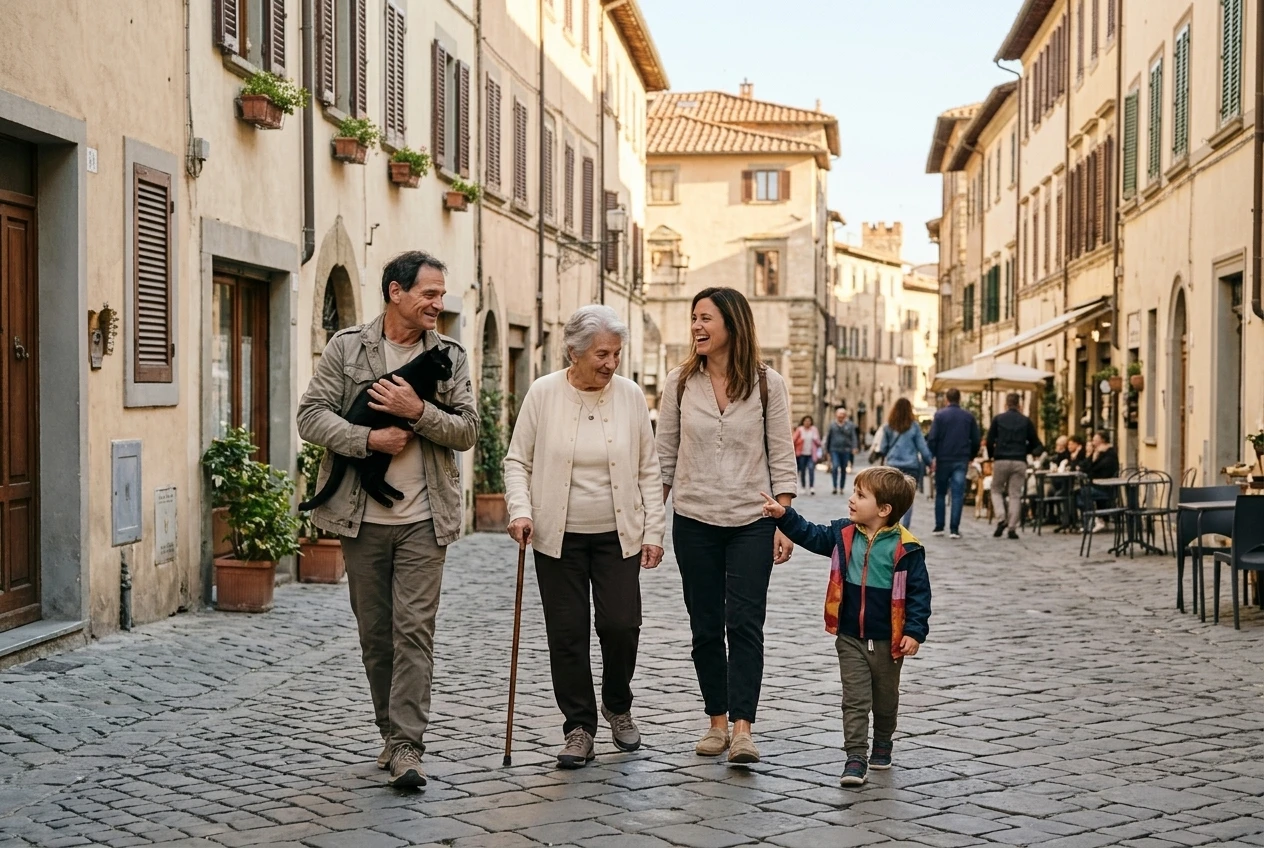
Put it in your About page, your first paragraph and your photos. Say how old you are if you are comfortable doing so, say who travels with you, and say what changes because of it: pace, lodging, food, transport, budget.
Readers who share your situation will recognize themselves and trust you faster. Brands that want to reach that audience can also see at once why your site is worth their attention, which matters later when you look at sponsorships.
Mistake 4: Buying tools and plugins before you have posts to use them on
Blogging has an endless supply of paid tools: email platforms, SEO suites, design subscriptions, scheduling apps, premium themes. Buying them early feels like progress, but a tool with no content to work on does nothing for you.
Start with what you need to write, publish and store photos. Add a tool only when a specific task has become a problem. For example, wait to think about an email service until people are actually reading your posts and asking to hear from you.
I put my own tool recommendations, and what I would skip when you are starting out, in The Blogging Tools I Use on the Road, and What I’d Skip if You’re Just Starting a Travel Blog. Check that before you spend money on a subscription.
Mistake 5: Dropping in affiliate links before readers trust you
Affiliate links are one of the main ways a travel blog earns, and the temptation is to add them to every post from day one. A brand-new site with a hotel link in every paragraph reads as an advertisement, and readers leave.
Earn the click first. Write the useful post, with real detail on the place, the cost, the effort required and who it suits, then add a link where a reader would naturally want to book or check availability. A reader who is already planning a stay in that town will click a hotel or tour link because it helps them.

Three habits protect that trust:
- Link only to things you would suggest to a family member.
- Say plainly that a link is an affiliate link. In the United States the FTC expects a clear disclosure, and most affiliate programs require one in their terms.
- Describe the downsides too. A hotel with a flight of stairs and no elevator is a fact your senior readers need.
Reservation links work best on posts that help someone decide where to stay or what to book, which fits well with a site built around trips for older and multigenerational travelers.
Mistake 6: Expecting income in the first few months
A new site starts with no audience, and search traffic usually takes months to build, since search engines need time to find, index and rank new pages. Affiliate commissions and sponsorships depend on that audience, so early income is typically small or zero.
Plan for this in practical terms. Treat the first year as the period where you build a library of useful posts and learn what readers respond to. Do not quit a job or pull from savings because of a blog that is two months old.
A better measure for the early months is output and learning:
- How many useful posts have you published?
- Which post gets the most visits, and why do you think it does?
- Which question did a reader ask that you could answer in the next post?
Income grows from that foundation. If you want a fuller picture of how the earning side fits together, How to Start a Travel Blog and Make Money When You’re Starting Later in Life covers the setup in order.
Mistake 7: Skipping photos, notes and details while you are still on the trip
Memory is a poor record of a trip. Two weeks later you will not remember the bus fare, the name of the restaurant with the step-free entrance, or which day the museum is closed. Details like those are what make a post useful, and they are very hard to rebuild at home.
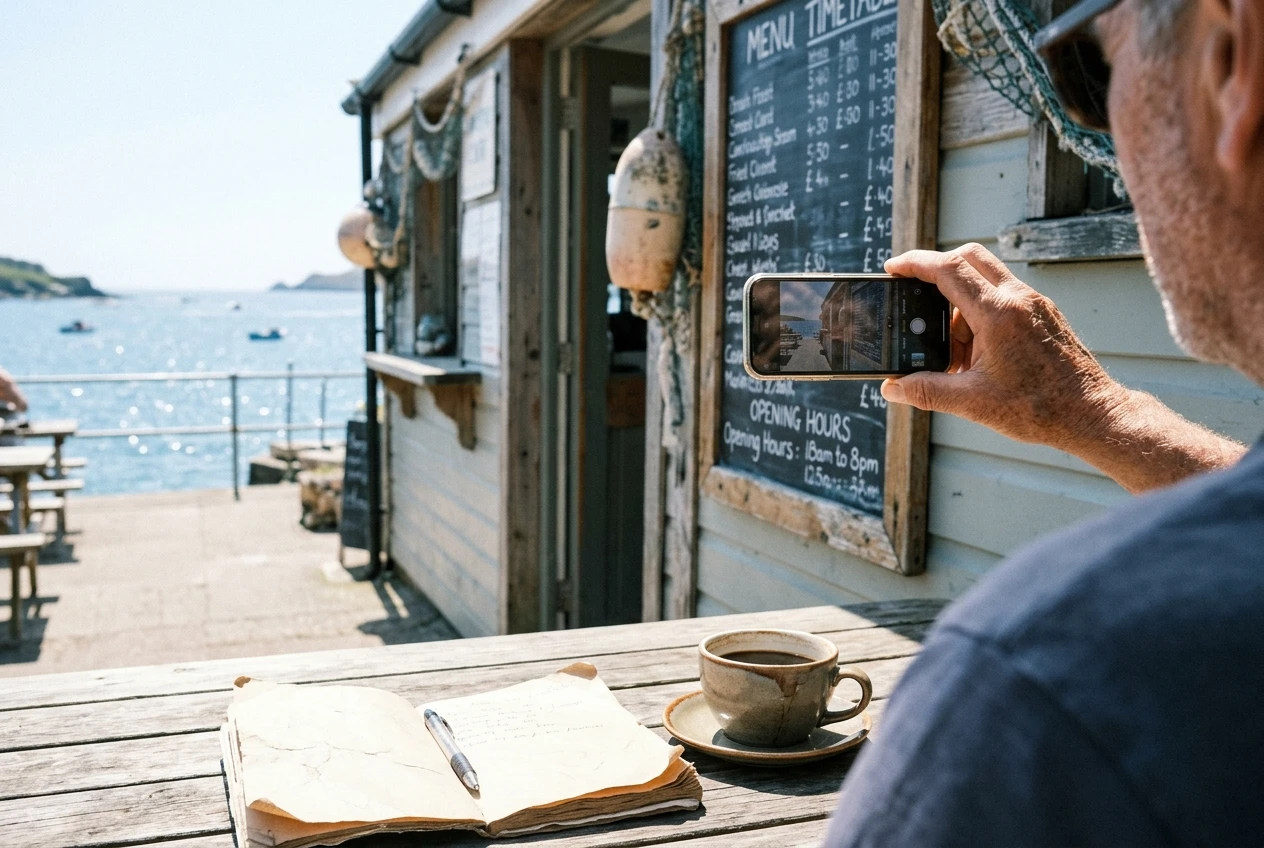
Build a small capture habit that fits the trip:
- Photograph signs, menus, price boards, timetables and the entrance of each place you stay.
- Keep one running note on your phone with the date, the place, what you paid and one thing that surprised you.
- Record a short voice memo at the end of the day if typing is tedious.
- Note the access details: stairs, distances, seating, restrooms, how crowded it was.
If several generations travel together, ask each person to take a few photos from their own point of view. A grandchild’s picture of the same street will look very different from yours, and that contrast can carry a post.
Mistake 8: Going it alone when sponsorships and help are available
Many new bloggers assume sponsorships are only for large accounts and that every technical task must be handled alone. Neither is accurate. Tourism boards, hotels, tour operators and travel companies look for writers who reach a particular audience, and a site speaking to seniors and multigenerational families reaches a group that is harder to find than the general crowd.
Learn how that approach works before you send a single pitch. I explain it in How a Senior or Multigenerational Travel Blogger Can Get Sponsorships by Offering Brands Something They Can’t Easily Buy, including what you can offer a brand beyond a link.
Help matters on the practical side too. Ask a grandchild to help with photo editing, ask a friend to read a draft for confusing sentences, and use the lessons and community in Learn when you get stuck on a technical problem. An hour of help can save you a week of frustration.
What I would do in week one if I started over
If I were starting a travel blog today, I would keep the first week small and focused on publishing, not preparing.

- Day 1: Write one sentence describing your reader and the trips you will cover. For example, “Trips that work for grandparents, parents and kids together.” Keep it where you can see it.
- Day 2: Set up the site on a simple theme with readable text. Stop there.
- Day 3: Write your About page. State your age or family makeup if you are comfortable, and say who the site is for.
- Days 4 and 5: Write your first post about a trip you have already taken, using photos and notes you already have. Answer one real question a similar traveler would have.
- Day 6: Publish it, then start a second post while the first is fresh.
- Day 7: Set up your capture habit for the next trip: the phone note, the photo routine, the voice memo. Read the sponsorship post so you know what to build toward.
I would leave affiliate links, paid tools and income goals until after the first few posts are live and readable. Those come later and work better on top of a site that already has content.
Where to go next
Pick one mistake from this list that you recognize in your own plans, and read How to Start a Travel Blog and Make Money When You’re Starting Later in Life to set up the right way from the beginning.